

Blog / Walla Walla Toyota Service

Blog

All Walla Walla Toyota Service Walla Walla Toyota Dealer Local Guide Trim Comparison Vehicle Comparison
White Toyota Grand Highlander driving on a snowy mountain road

Toyota Maintenance Before Winter Travel: Service Tips for Walla Walla Drivers

Cold mornings, frost, and black ice arrive fast in Eastern Washington, and holiday travel often means crossing the Blue Mountains. Checking your battery, tires, and brakes before the first freeze prevents many cold-weather problems, and wipers and fluids deserve a look too. This guide covers Toyota winter maintenance in plain steps, so you know what to check at home and what to leave to us. When you’re ready, schedule your pre-winter service online. Why Toyota Winter Maintenance Matters for Eastern Washington Drivers Slick, snow-covered roads make any vehicle harder to control and harder to stop, and a drive over the Blue Mountains can take you from dry pavement to black ice in a matter of miles. That’s why preparation matters: a healthy battery, good tires and reliable brakes give you the best chance of a safe trip, so leave extra following distance too. Our advice is simple: do your Toyota winter maintenance early, in late October or early November, before the first freeze. That means checking that your fluids are rated for cold temperatures, having your 12-volt battery tested by a technician and making sure your tires are ready for winter. Your owner’s manual has model-specific details, and our service team can help. Battery Voltage Test: Prevent Cold-Weather No-Starts Battery power drops as temperatures fall, just when your engine needs more power to start, so a weak battery often gives out on the first hard frost. Before winter travel, have a technician run a battery voltage and load test and check the charging system and belts. A voltage test shows whether your battery is holding a proper charge, and a load test shows whether it can deliver enough power on a frigid Walla Walla morning. Warning Signs of a Weak Battery Most car batteries last three to five years, so it’s smart to have yours tested every year once it passes the three-year mark. Don’t wait if you notice any of these signs: A consistently slow engine crank. Repeated clicking at startup. Frequent jump-starts. Dim headlights or interior lights. Electrical issues. A battery or charging warning light. Corrosion on the terminals. A rotten-egg smell. A swollen or cracked case. A battery warning light can point to the alternator not charging correctly rather than the battery alone. That is one reason a full check beats guessing. What a Battery and Charging System Test Involves Our technicians test your battery’s voltage and load capacity, check the charging system and inspect the belts that drive it, so you get a clear answer on whether your battery is healthy or due for replacement. If you need a new one, we’ll install a genuine Toyota battery matched to your vehicle. Driving a Toyota hybrid? It has both a 12-volt battery and a separate hybrid battery, and cold weather can be especially hard on the 12-volt. Our technicians will test it and explain what your specific model needs. Tire Tread Depth and Pressure: Get Grip on Icy Roads Tread grooves help tires grip, brake, and turn on ice and snow. Worn tires lose that ability just when frost and black ice make it matter most. Tires are your only contact with the road, so start here. Measure Tread Depth and Inspect for Wear Tires are legally worn out at 2/32 of an inch of tread, but for winter driving you’ll want much more. As a general guide, 6/32 of an inch or deeper is good, 4/32 to 5/32 means it’s time to plan for replacement, and 2/32 or less needs replacing right away. You can test at home with a coin: For the quarter test, place Washington's head down in a groove. If the top of his head isn't visible, you have at least 4/32". For the penny test, check Lincoln's head. If you can see above the top of his head, you're under 2/32". Also look over each tire for cuts, punctures, bulges and cracks. If you plan to run snow tires, install them on all four wheels for balanced grip. Under WSDOT rules, approved traction tires must have at least 1/8 inch of tread and be labeled M+S, All Season or Mountain/Snowflake, and they’re required on all passenger vehicles when a “Traction Tires Required” advisory is posted. Studded tires are legal in Washington from November 1 through March 31. Adjust Tire Pressure as Temperatures Drop Tire pressure can drop 1 to 2 PSI for every 10°F drop in temperature, so a cold snap can leave your tires underinflated overnight. Check pressure when the tires are cold (not driven for at least three hours), at least monthly and before every long trip, and don’t forget the spare. Inflate to the pressure on the driver's door-frame label or in your owner's manual, never the maximum printed on the sidewall. We offer tire rotations at our service center, which helps tires wear evenly. Brake Checks: Confirm Stopping Power Before Winter Travel Your brakes work harder on icy roads, so a professional brake inspection belongs on every winter checklist. Our technicians will check your pads, rotors, fluid and the rest of the system, and make any repairs it needs before you hit the road. Know whether your vehicle has ABS. With ABS, apply firm, continuous pressure, and without it, pump the brakes if the wheels begin to lock. Before driving, clear any ice or snow from around the wheels, since damp brakes can freeze when parked in cold temperatures. Bring your vehicle in if you notice: Squealing or grinding. A soft or low pedal. Pulling to one side when braking. A brake warning light. Wiper Replacement and Visibility Checks Winter brings less daylight and more glare, so clear glass matters. Make sure your wipers and defrosters work, and replace any blades that streak, skip or chatter. If you’ll be driving through frequent snow and ice, heavy-duty winter blades are worth considering, and our service team can install Toyota Genuine wiper blades in minutes. Check your headlights, brake lights, turn signals, flashers and interior lights too. On icy mornings, never force a frozen wiper or window: melt the ice with lukewarm water and wipe it away right away, and clear snow from the air inlet vents in front of the windshield. Antifreeze and Fluid Top-Offs for Cold Weather Your engine coolant, oil and washer fluid all need to be ready for cold temperatures. Your owner’s manual lists the right fluids for your model, and our technicians use Genuine Toyota fluids engineered for your vehicle. Coolant and Antifreeze Protection Antifreeze keeps your engine’s coolant from freezing, so make sure you have enough coolant that meets Toyota’s specifications. Our technicians test its freeze protection, top it off as needed, check the cooling system for leaks and inspect hoses for wear, so a cold snap doesn’t turn into a cracked engine block. You can look at the coolant level at home. Never open a hot system. Our technicians handle coolant testing and leak inspection. If you have questions about other fluids, ask us, and we'll point you to your owner's manual. Washer Fluid, Oil and Brake Fluid Fill the washer reservoir with a winter fluid that contains de-icer before the first freeze. For oil, most current Toyotas use a low-viscosity 0W-16 or 0W-20 full synthetic year-round; the “0W” rating means it flows well even in extreme cold, so there’s no need for a seasonal switch. If your oil change is due, we can handle it with genuine Toyota motor oil as part of your Toyota factory-scheduled maintenance. For brake fluid, check the owner's manual and have the brake system inspected by a technician. Your Pre-Winter Checklist: What You Can Check vs. What We Inspect Some winter checks are easy to handle in your driveway, while others need a technician’s tools and training. Use this checklist to split the work, and bring your Toyota in if you spot any of the warning signs. Component What You Can Check What We Inspect When to Come In Battery and charging system Slow cranks or dim lights Battery voltage and load test, charging system check Slow crank, warning light or a battery over 3 years old Belts Visible wear or cracks Belt inspection Squealing or cracks Tires Tread depth, condition and cold pressure Tire rotation and inspection Tread near 4/32" or any damage Brakes Noise or changes in pedal feel Full brake inspection Any noise, pulling or soft pedal Lights and wipers All lights, wipers and defrosters Replacement if needed Dim lights or streaking blades Coolant Level, checked when the engine is cool Freeze-protection test and leak inspection Low level or visible leaks Winter Travel Prep for Eastern Washington Roads A well-maintained Toyota is your first line of defense, but a little extra preparation makes every winter trip safer, especially over the Blue Mountains. Pack a Winter Emergency Kit Keep these essentials in your vehicle from November through March: Warmth: blanket, boots, gloves and warm clothes Visibility and power: flashlight and phone charger Getting unstuck: jumper cables, ice scraper, small shovel and a traction aid like sand or kitty litter Supplies: water, snacks and first-aid supplies Carry Chains for Mountain Passes If you’re heading over the Blue Mountains or other high-elevation routes, carry chains that fit your tires, and practice installing them at home before you need them on a cold roadside. WSDOT can issue fines of up to $500 for ignoring posted chain requirements, so check pass conditions before you leave. Smart Winter Driving Habits A few simple habits round out your preparation: keep your fuel tank at least half full, park in a garage during cold snaps when you can, share your route and arrival time with someone, and postpone nonessential travel when roads are poor. Schedule Your Pre-Winter Inspection at Walla Walla Toyota Before you head over the Blue Mountains for the holidays, let our Toyota-trained technicians make sure your battery, tires, brakes, wipers and fluids are ready for whatever winter brings. A pre-winter inspection takes far less time than a roadside breakdown, and appointments fill up fast as holiday travel approaches. Schedule your pre-winter inspection online in just a few minutes, or call our service desk at 509-525-1920. We’re at 606 N Wilbur Ave in Walla Walla, Monday through Friday from 7:30 a.m. to 5:30 p.m., and walk-ins are always welcome.

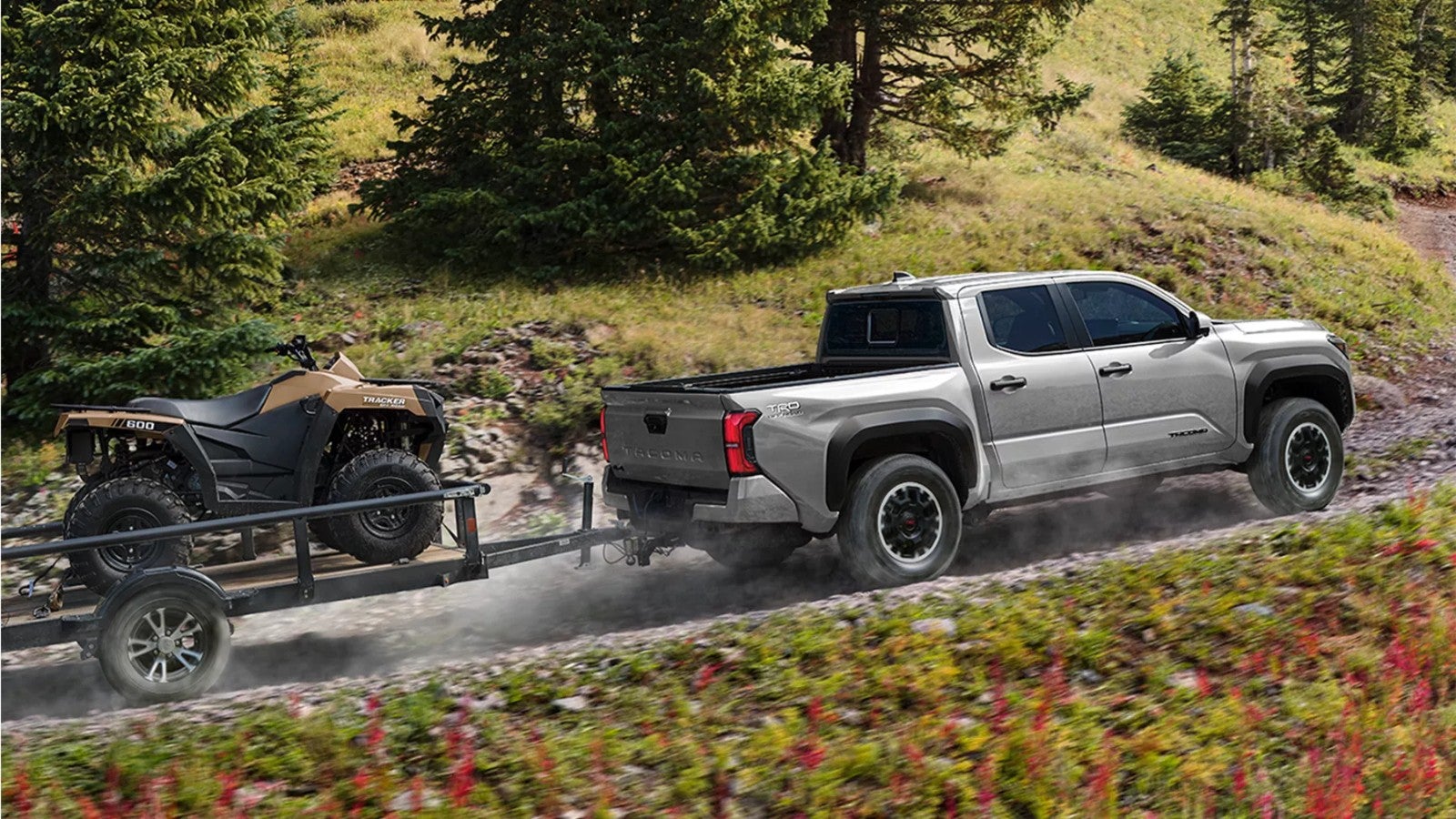
Silver Toyota Tacoma towing an ATV trailer along a scenic mountain trail

Best Value Auto Service in Walla Walla: What Makes Walla Walla Toyota Different

Good value in auto service means more than the lowest number on an estimate. For us it means Toyota-trained technicians, Genuine Toyota Parts and straight answers about your vehicle. If you're looking for the best auto service in Walla Walla, WA, that's the standard we hold ourselves to. You can schedule service online in a few minutes, whether you drive a Toyota or another make. What Makes Walla Walla Toyota the Best Auto Service in Walla Walla, WA We're a local, family-owned dealership. The Lum family purchased it in 2021, and the dealership's family tradition goes back to 1969. You can read more about our local roots and team and how we support the community. Five things set us apart: factory-certified technicians, Toyota-specific diagnostic equipment, complimentary maintenance programs, transparent pricing and customer-first service. Whether you commute in College Place or drive farm roads outside Milton-Freewater, we look after your vehicle for the long haul. We treat it as an ongoing relationship, and a single repair is only part of it. Dealership Service vs. Independent Repair Shops: What You Get for Your Money An independent shop can handle routine work, but dealership service brings something general repair shops can’t easily match: Toyota-specific training, factory diagnostic equipment, Genuine Toyota Parts and a direct line to the manufacturer’s latest technical updates. That combination means fewer return visits and repairs done right the first time. It’s also worth knowing that while you’re free to service your vehicle anywhere, Toyota’s warranty doesn’t cover damage caused by improper maintenance or repairs. Choosing technicians trained specifically on your Toyota is the simplest way to protect both your vehicle and your coverage. Price vs. Long-Term Value A low estimate can look appealing, but it only tells part of the story. The parts, the technician's familiarity with your model and the accuracy of the diagnosis all shape what a repair really delivers. Here’s how service at Walla Walla Toyota compares with a typical independent shop. Factor Walla Walla Toyota Typical independent shop Technician training Toyota T-TEN graduates with Toyota and ASE certifications and ongoing Toyota coursework General automotive training; Toyota-specific expertise varies from shop to shop Parts Genuine Toyota OEM parts, made to your vehicle’s exact specifications Often aftermarket parts chosen for price and broad fit Diagnostic equipment Toyota-specific equipment that reads system data generic scan tools may miss Usually generic scan tools that may not access every Toyota system Repair warranty Genuine parts and dealer-installed repairs backed by Toyota warranty coverage Shop-specific warranties that vary in length and coverage Technical updates Direct access to Toyota technical service bulletins and manufacturer updates May not receive manufacturer bulletins as they’re released Pricing Transparent pricing with zero hidden fees Varies; ask for a detailed written estimate How to Choose a Service Provider in Walla Walla Whoever you choose, a few questions help you compare fairly: Ask about technician certifications and ongoing training. Find out what kind of parts will go on your vehicle. Request a written estimate before work begins. Ask how the repair is warrantied. Make sure someone will explain the findings in plain language. We built our service process around those same points, and we're glad to answer them at the service desk. Factory-Certified Technicians and Specialized Diagnostic Equipment Good service starts with who works on your vehicle and what tools they use. Both matter more as vehicles add hybrid powertrains and advanced driver-assistance systems. Toyota-Trained Technicians Who Know Your Vehicle Our technicians are Toyota T-TEN graduates. That training combines classroom instruction, paid dealership internships and ongoing online coursework as Toyota introduces new technology. They hold Toyota and ASE certifications and have spent thousands of hours learning Toyota vehicles. They work from Toyota-specific maintenance schedules and fluid specifications, and they know the tolerances. Our team also receives Toyota technical service bulletins and manufacturer updates. Advanced Diagnostics That Find the Problem the First Time When your check engine light comes on, a scanner connects to the OBD-II port and reads the trouble codes. A certified technician then interprets those codes, explains the findings and helps develop a service plan. Our Toyota-specific diagnostic equipment can read system data that generic scan tools may miss, which helps us find the issue accurately the first time. Complimentary Maintenance Programs and Ways to Save Each qualifying used vehicle we sell includes complimentary maintenance at 5,000 and 10,000 miles. The 5,000-mile visit includes a tire rotation and multi-point inspection. The 10,000-mile visit adds a full synthetic oil and filter change and fluid adjustments. Factory-trained technicians perform both using Toyota Genuine Parts. Every new Toyota comes with ToyotaCare, a no-cost plan covering normal factory-scheduled maintenance plus 24/7 roadside assistance. Most 2026 and earlier models are covered for 2 years or 25,000 miles, and applicable 2027 models for 1 year or 10,000 miles, and our team can check your eligibility in seconds. Beyond ToyotaCare, Toyota Service Care plans are available to Toyota owners regardless of mileage or age, with service-history tracking, automated reminders and roadside assistance, and our loyalty program rewards you with points on every service visit. We also regularly feature complimentary inspections and service savings on our service and parts specials. Genuine Toyota Parts and Warranty Protection Genuine Toyota parts, from filters and fluids to brake components, are made to fit the exact specifications of your Toyota, and every repair we perform uses them. Genuine parts installed at our dealership are backed by Toyota’s parts warranty, covering both parts and labor, and we use genuine Toyota motor oil on every Toyota oil change. Following your owner’s manual maintenance schedule with genuine parts helps protect your Toyota’s 36-month/36,000-mile New Vehicle Limited Warranty coverage. Transparent Pricing and Customer-First Service Nobody likes surprises at the counter. Our pricing is transparent and competitive, with zero hidden fees, and we’ll even honor valid local competitor coupons on oil changes. Before any work begins, a technician explains what they found and helps you build a service plan, so you understand every recommendation and its cost before you decide. Questions about pricing? Call our service desk at 509-525-1920. As a family-owned team, we depend on repeat customers. We'd rather earn your return visit than rush you out the door. Auto Service Offered at Walla Walla Toyota Our Walla Walla Toyota service center covers routine care and repairs for Toyota owners and drivers of other makes. Routine Maintenance, Brakes and Tires Services include Toyota Factory Scheduled Maintenance, oil changes, tire rotations, battery replacement, fluid replacement, filters and wiper blades. Preventive care includes multi-point inspections, cabin air filter replacement and coolant flushes. Brake repair is a core service. Watch for increased stopping distance, excessive brake noise, abnormal pedal feel, pulling or vibration when braking, and heavy brake dust. We mount, balance and inflate tires to Toyota specifications. Replacement signs include tread at the wear indicators, cuts, bubbles, cracking, uneven wear, tire age and poor ride quality. We recommend inspecting your tires at every regular service visit. Eastern Washington has hot summers and cold winters, so fall is the right time for tire and battery checks before temperature swings arrive. Diagnostics, Repairs and Transmission Service For auto repair in Walla Walla, every visit starts with accurate diagnostics and a clear explanation of what we find. Transmission fluid checks are part of our preventive care, helping catch issues early, before they turn into costly repairs. Book now if you notice any of these signs: Brake noise. A check engine light. Uneven tire wear. Rough shifting. What to Expect When You Book Your Service Appointment Our online scheduler lets you sign in by mobile number or email, or continue as a guest. Then the visit follows a simple path: Book online and drop off your vehicle at 606 N Wilbur Ave. We inspect and diagnose. A technician reviews findings and the service plan with you. We complete the work and explain what was done. We’re open Monday through Friday from 7:30 a.m. to 5:30 p.m., and walk-ins are always welcome, though scheduling online guarantees the fastest turnaround. While we work, relax in our customer lounge with fresh-brewed coffee, a latte and cappuccino machine, fresh-baked cookies, TV, comfortable seating and free Wi-Fi. Schedule Your Service at Walla Walla Toyota Today The best auto service in Walla Walla, WA comes down to getting it right the first time, with factory-trained technicians, Toyota-specific diagnostics, genuine Toyota parts and straight answers at fair, transparent prices. That’s the dealership difference, and it’s available whether you drive a Toyota or any other make. Schedule your service appointment online in just a few minutes, or call our service desk at 509-525-1920. We proudly serve drivers across Walla Walla, College Place and Milton-Freewater, and we look forward to earning your trust.

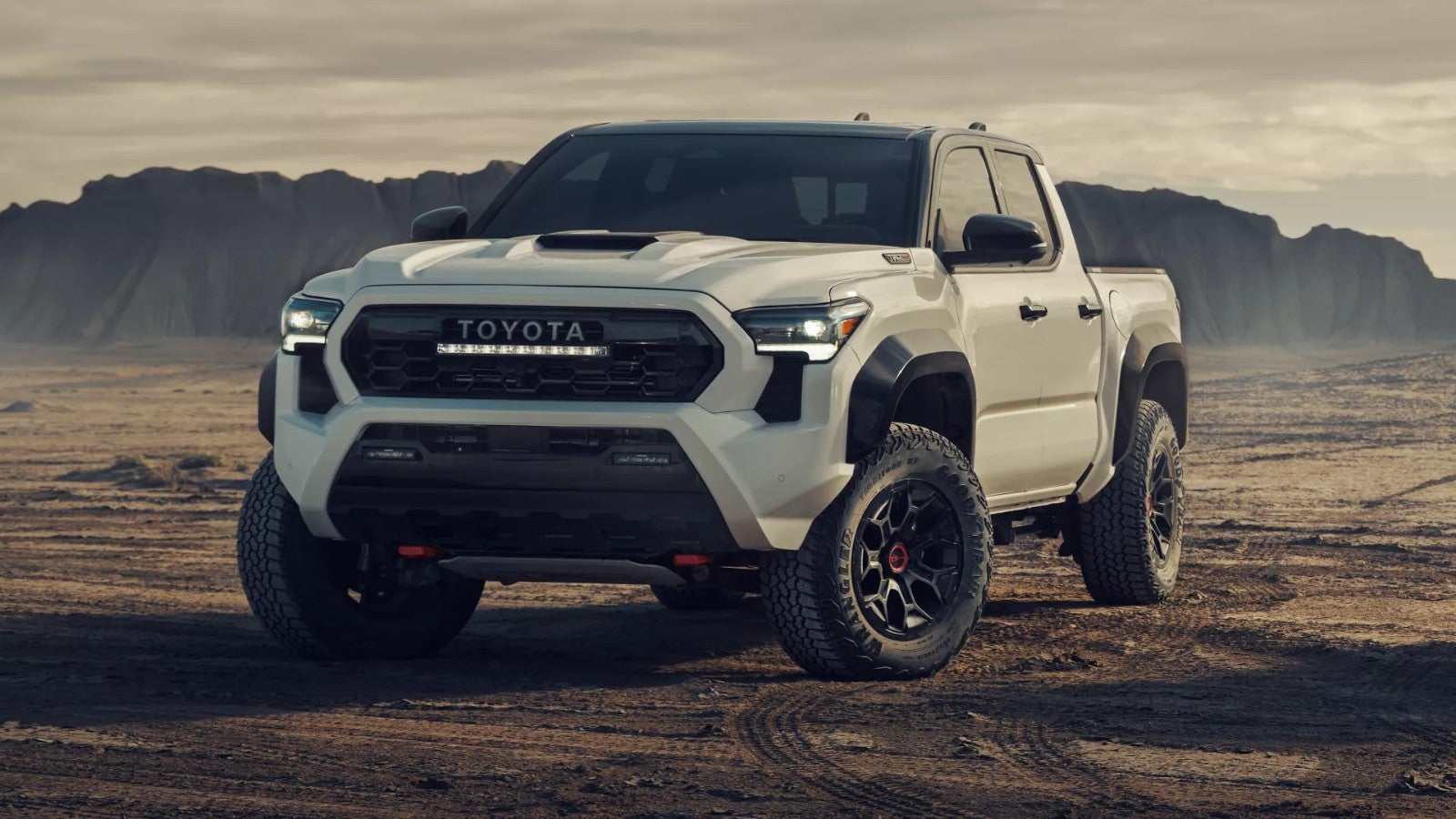
White Toyota Tacoma TRD Pro parked on rugged desert terrain

OEM Toyota Parts vs. Aftermarket Parts: What Walla Walla Drivers Should Know

A brake pad that fits but behaves differently, or a sensor that bolts on but never talks to the engine computer, can turn a simple repair into a second shop visit. That's the risk when you weigh Toyota vs aftermarket parts. What matters is how well the part fits, how it was tested, and who backs it up, more than whatever is printed on the box. At Walla Walla Toyota, we want you to choose with confidence. Visit our parts department to talk with a specialist before you buy. Toyota vs Aftermarket Parts: The Core Differences The main differences come down to specification control, compatibility, consistency and warranty support. Toyota genuine parts are built to one standard, Toyota’s, and are designed for your exact vehicle, while aftermarket quality can swing widely from one maker, and even one part, to the next. When reliability matters, that consistency is the difference between a repair you do once and a repair you do twice. What Toyota Genuine Parts Are and Who Makes Them Many drivers ask who makes OEM Toyota parts. Toyota genuine parts are replacement components made to Toyota’s specifications and supplied through Toyota’s authorized channels, whether Toyota builds a part itself or sources it from an approved supplier held to the same engineering and quality standards. Toyota genuine parts are designed to fit the exact specifications of your Toyota. A supplier that helped build your vehicle at the factory does not necessarily sell identical products under its own label. What Aftermarket Parts Are and Why Quality Varies An aftermarket part is one made by a company that did not make the vehicle. Some of these manufacturers specialize in particular vehicle applications. Others design one component for many different vehicles. That one-size-fits-many approach is why aftermarket quality varies so much. Some parts perform well, but others may fit loosely, wear unevenly or fail to communicate with your vehicle’s systems, and it can be hard to tell which is which before installation. With Toyota genuine parts, you don’t have to research the manufacturer or gamble on fit: every part is engineered for your specific Toyota. Side-by-Side Comparison: Fitment, Durability, Standards, and Warranty Fitment is more than physical size. Mounting points, connectors, tolerances, and electronic communication all have to match your vehicle. The table below summarizes how Toyota genuine parts and aftermarket parts compare on the criteria most drivers care about. Criteria Genuine Toyota OEM Aftermarket Fitment Designed to the exact specifications of your Toyota, including mounting points, connectors and electronics Often designed to fit multiple vehicles; compatibility must be confirmed part by part Materials and testing Made to Toyota’s material and testing standards Standards set by each manufacturer, from rigorous to minimal Long-term reliability Engineered to match the performance and service life of your original components Can range from comparable to significantly shorter Warranty coverage Toyota Service Part Warranty: 12 months regardless of mileage, or the remainder of the New Vehicle Limited Warranty Set by each manufacturer; may exclude labor Consistency One manufacturer standard for every part Ranges from excellent to poor Resale value Documented genuine-part repairs support buyer confidence Non-genuine repairs may raise questions for buyers or inspectors Precision Fitment and Factory Standards Electronic compatibility deserves special attention. A component can fit physically and still fail to communicate properly with the vehicle's systems. On vehicles equipped with ADAS, Toyota genuine parts matter for performance, fit, and safety. Even a Toyota genuine part must match your configuration. An authentic part intended for a different trim or model year is not a suitable substitute. The same logic applies to bumpers. Mounting points and fit matter, and on vehicles with ADAS, ask a specialist what the repair involves. Material Durability and Long-Term Reliability How long a part lasts comes down to material selection, manufacturing consistency and testing, and that’s exactly where Toyota genuine parts are held to a single, rigorous standard. Every genuine component is engineered to perform alongside the original parts around it, so it’s built to deliver the same long-term reliability your Toyota was designed for. Toyota genuine radiators and condensers are a good example: they’re designed for precise fit, engineered and tested by Toyota, and available for almost all Toyotas exclusively through Toyota dealers like ours. Warranty Protection on Toyota Genuine Parts Compare warranty scope as well as length. Look at parts and labor, then exclusions, claim steps, and who pays for related damage. Under the Toyota Service Part Warranty, a part replaced under warranty at an authorized Toyota dealership is covered for 12 months regardless of mileage from installation, or for the remainder of any applicable New Vehicle Limited Warranty, whichever is greater, except batteries. A parts warranty also doesn't promise that a wear item will never need replacing. It addresses defects in materials or workmanship. For battery needs, TrueStart® is the only warranty replacement battery approved for a Toyota. For other coverage details, check your warranty booklet or contact us. How Parts Choice Affects Your Toyota Warranty Many drivers worry that one aftermarket part will cancel their coverage. The reality is more complicated, and it helps to separate the vehicle warranty from the part's own warranty. What the Law Says About Aftermarket Parts and Coverage Under the federal Magnuson-Moss Warranty Act, a dealer or manufacturer generally cannot void your warranty simply because you used an aftermarket part or had work done elsewhere. The FTC enforces this law. A warranty that promises free repairs or parts can specify the facility or parts used, so read your booklet. Installing a third-party part, even when it was allowed, doesn't mean your Toyota warranty will cover that part. Treat this as general guidance, since it isn't legal advice. Individual outcomes depend on your terms and the facts. When an Aftermarket Part Can Lead to a Denied Claim A defective aftermarket part, or incorrect installation, can damage a component that would otherwise be covered. In that case, coverage can be denied for that damage if the dealer or manufacturer proves the part or installation caused it. Unrelated defects generally remain under the original warranty. Picture a poorly fitting part that loosens and damages the component beside it. The repair for that damage may not be covered. Toyota genuine parts don't make every repair eligible either, since maintenance, exclusions, and the cause of failure still matter. Keep your invoices and part numbers along with maintenance records. They help show your vehicle was properly maintained. If a claim is denied, ask for a clear explanation. Our team can help you understand your options. Contact us with questions about your situation. Which Toyota Parts Should Always Be OEM For high-consequence repairs, Toyota genuine parts should be your default. These tightly integrated systems affect your safety, and the wrong specification can damage more than the part you replace, turning a single repair into a chain of them. Brakes, Engine, and Drivetrain Components Brakes are safety-related, so we recommend a professional inspection whenever you are in doubt. Our Toyota genuine parts catalog includes brake pads and shoes, brake drums and rotors, and brake calipers, along with transmission parts, oil filters, and engine air filters. Brakes: Brake pads affect stopping performance, and heat performance matters as much as fit. Engine: Parts must match surrounding components in tolerances, sealing, and operating loads. Drivetrain: Transmission parts work under heavy loads, so compatibility and installation quality matter. Consider a driver on a long highway commute who installs bargain brake pads. If they wear unevenly or perform differently, the result may be a return visit, and possibly damage to the rotors. A sensor swap works the same way. A sensor that does not communicate correctly with the vehicle's computers can mean more diagnosis and repeat labor. Electronics, Suspension, and Steering Electronic parts must match your vehicle's electrical and communication needs, and some need programming or calibration. Suspension and steering affect handling and alignment, and they influence tire wear too. We treat both as safety-related and encourage professional inspection when something feels off. Electronics: Sensors and modules must communicate correctly with the vehicle's computers. Suspension: Replacement parts should preserve the vehicle's intended handling. Steering: Precise response matters for safe driving on rural roads and highways around Walla Walla. Not sure what your repair needs? Our team can help you find Toyota genuine parts that match your vehicle. Shopping Aftermarket? Ask These Questions First If you’re considering an aftermarket part, even for a simple item like floor liners or wiper blades, ask these questions before you buy. And remember that Toyota genuine floor liners, wiper blades and accessories are designed for an exact fit too: Does the seller guarantee fitment for your exact vehicle? What testing standards does the part meet? What does the warranty cover, including labor? What is the return policy if the part doesn’t fit? Real Cost Comparison: Upfront Savings vs. Long-Term Value Many drivers wonder whether Toyota parts are expensive, but the sticker price is only part of the picture. Compare the total installed cost, including diagnosis, labor, setup and related materials, plus what happens if the part doesn’t last. A cheaper part that needs replacing sooner, or that damages a nearby component, can quickly cost more than doing it right the first time with a part backed by Toyota’s warranty. Repeat Repairs, Labor Costs, and Resale Value for Walla Walla Drivers A part that fails early can mean another round of diagnosis and labor. That matters most when the component is hard to reach. A replacement warranty may also supply a new part at no charge while leaving installation costs unpaid. Availability counts too, since a delayed part extends downtime for Walla Walla drivers who depend on their vehicles for work and daily errands. When it’s time to sell or trade in, a service history documenting Toyota genuine parts installed by factory-trained technicians shows buyers your vehicle was maintained to Toyota’s standards, which supports both buyer confidence and resale value. Our practical advice is to request comparable written estimates that show the differences in parts, labor, warranty protection and included work, and to weigh how long you plan to keep your Toyota. Will a Toyota Dealership Install Aftermarket Parts? Drivers often ask whether a Toyota dealership will install aftermarket parts they bring in. Customer-supplied parts raise real questions about authenticity, condition and who’s responsible if the part fails, which is why we recommend letting our parts specialists source the right Toyota genuine part for you, backed by warranty from day one. At our service center, we use Toyota genuine parts and diagnostic tools, and our technicians are factory-trained and certified. If you are considering a different part, contact us about your situation before you buy. Ask whether the work will be approved, and clarify separately who covers the workmanship and who covers the part. Order Toyota Genuine Parts from Walla Walla Toyota A quick checklist for your decision: Use Toyota genuine parts for brakes, steering, suspension, engine, drivetrain, and electronics. Ask about Toyota genuine accessories and wiper blades for an exact fit. Keep every invoice and maintenance record. Ask for written estimates that compare parts, labor, and warranty. Let us verify the right part by VIN. Use Your VIN to Confirm the Correct Part Model year and trim affect fitment, and so do production changes, so year and model alone may not identify the right part. A VIN removes the guesswork. You can find it on the dashboard near the windshield, on the driver door jamb, and on your registration or insurance card. Our online parts-order form asks for your year, make, model, and trim, and it has a VIN field. After you submit it, a customer service specialist contacts you to confirm the part. You can also find Toyota genuine parts through our site to get started. Contact Our Parts Specialists for Advice Our professionally trained service technicians can install the parts we sell. Tell us whether you plan to install it yourself, use another shop, or book with us, because labor and warranty details can differ. You can also schedule through our service center. The right part, installed right, is the surest way to keep your Toyota reliable for years and protect its value when it’s time to sell. Order Toyota genuine parts online through our parts department, and a specialist will confirm the exact match for your VIN, or contact our parts specialists for advice on your repair. Walla Walla Toyota is family-owned, with the Lum family at the helm since 2021 and a dealership tradition dating back to 1969. Visit our parts department at 606 N Wilbur Ave, Monday through Friday from 8 a.m. to 5:30 p.m., or call 509-525-1920.

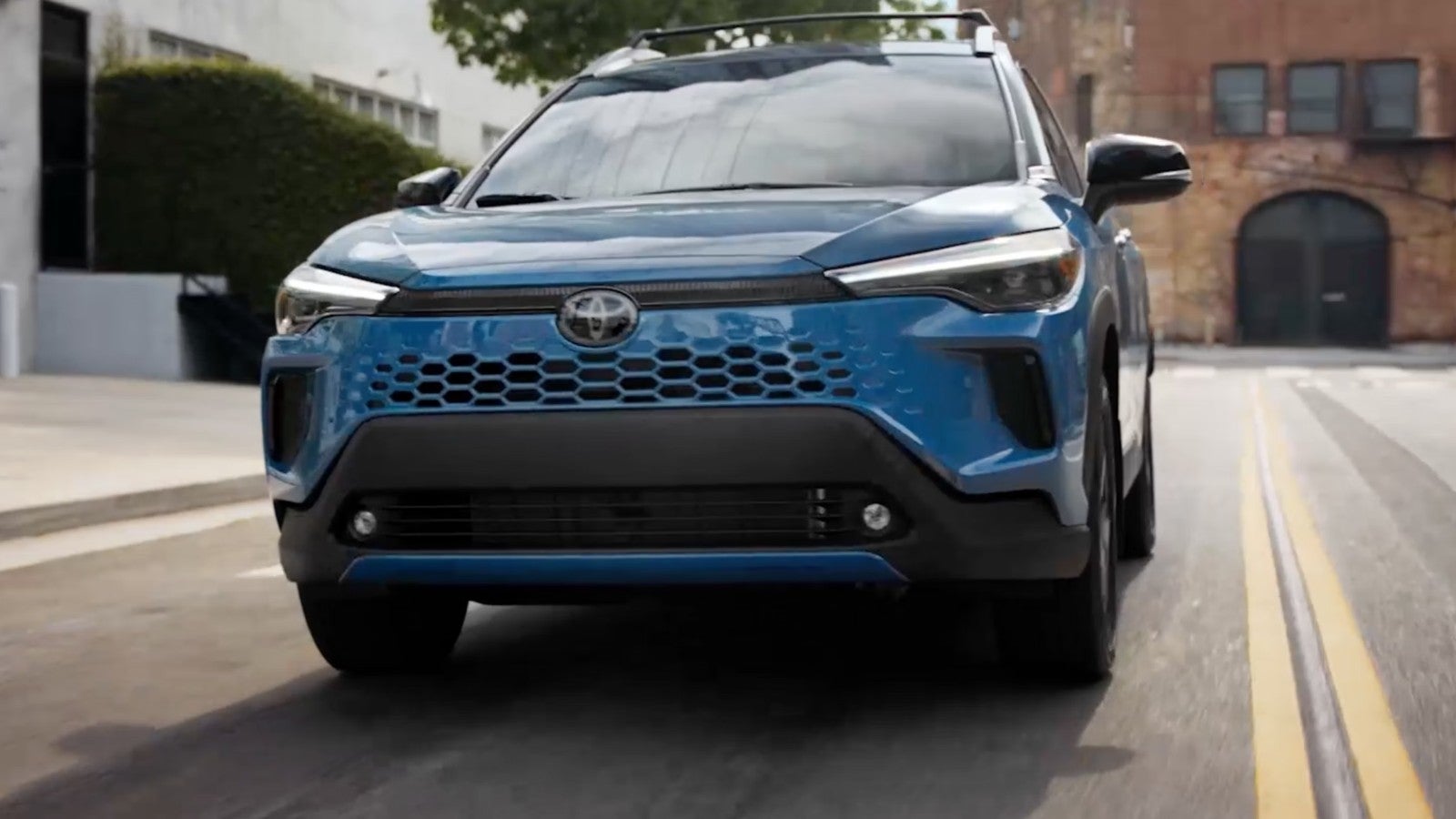
Blue Toyota Corolla Cross driving down a city street

Oil Change Value in Walla Walla: How Toyota Service Helps You Get the Most for Your Money

The lowest price on a sign rarely tells you what ended up in your engine. For Walla Walla drivers, the best Toyota oil change in Walla Walla, WA is the one with the strongest overall value: the correct oil, a proper filter, and a trained technician who leaves you a clear record of the work. Schedule service online with us, and we'll walk you through exactly what your vehicle needs. What Makes the Best Toyota Oil Change in Walla Walla, WA Value shows up in every detail of the visit. The Lum family has owned Walla Walla Toyota since 2021, carrying on a family dealership tradition that started in 1969, and our factory-trained technicians bring that long-term mindset to every oil change. Every routine oil change includes a comprehensive multi-point inspection, our pricing is transparent with zero hidden fees, and we honor valid local competitor coupons, so you get dealership-level expertise at a price that competes with anyone in town. Why Price Alone Is a Poor Measure of Value An advertised starting price can change once oil capacity, filter type, labor, disposal charges, taxes, and add-ons are counted. Ask for an itemized, out-the-door estimate so you can compare equivalent work. A good estimate also separates required maintenance from condition-based recommendations and optional services before any work begins. Convenience and workmanship matter too, as do appointment reliability and follow-up. A lower upfront charge doesn't automatically mean better value. Skipping or skimping on oil changes can lead to poor fuel economy, unreliable performance and costly breakdowns. The cheapest oil change isn’t the best value if it uses the wrong oil or misses an early warning sign, and with our competitor coupon match, you don’t have to choose between the right service and a fair price. What a Quality Toyota Oil Change Should Include A quality Toyota oil change includes Genuine Toyota Motor Oil, a Genuine Toyota oil filter and a multi-point inspection of major systems, fluids and key components, and that’s exactly what our oil change service in Walla Walla delivers. Here’s what to look for, and what you get with us: The correct oil grade and quantity for your vehicle. An OEM filter or a filter confirmed to fit your application. A written inspection report that explains any findings. A service record with the date, mileage, work performed, and materials used. Factory-Trained Toyota Technicians vs. Generic Quick-Lube Shops Quick-lube shops are built for speed and volume, but they don’t always have model-specific training, Toyota service information or genuine parts. Our factory-trained technicians know Toyota’s model-specific procedures, use genuine Toyota motor oil and filters, and catch issues a rushed oil change can miss. And because most appointments take just 30 to 45 minutes, you get that expertise without giving up quick-lube convenience. Genuine Full-Synthetic Oil in the Right Toyota-Specified Grade The right oil type and viscosity depend on your model year and engine, and our technicians verify your exact manufacturer requirements before every oil change. We offer conventional, synthetic blend and premium full synthetic oil, and for Toyotas that call for 0W-20 synthetic, we use genuine Toyota motor oil. Genuine Toyota Motor Oil 0W-20 is formulated with a Toyota-specific additive package designed for Toyota engines, so you get oil engineered for your vehicle, not a one-size-fits-all bulk product. OEM Filters and Proper Installation Checks A genuine Toyota oil filter is engineered to match your engine’s flow and filtration requirements, and we install genuine parts on every service. Installation matters as much as the part itself, so our technicians follow Toyota’s torque specifications, check the final oil level and inspect for leaks before your vehicle leaves the bay. Multi-Point Inspections That Prevent Costly Repairs Every routine oil change includes a comprehensive multi-point inspection designed to spot minor issues before they turn into costly repairs. It’s one of the easiest ways to protect your budget, since catching a worn belt, a slow leak or thinning brake pads early almost always costs less than fixing the damage they cause later. At your visit, we check you in, change the oil and filter, complete the inspection, and review the report with you. Most oil-change appointments take about 30 to 45 minutes. Fluids, Belts, Brakes, and Tires Checked at Every Visit Your inspection covers key fluids, including coolant, brake fluid and windshield-washer fluid, with top-offs as needed, along with tire pressure and condition, and wiper blades. Our featured full-synthetic oil service also includes a battery check. You’ll get a clear report that separates urgent safety items from things to keep an eye on, so you can plan repairs on your schedule, not in an emergency. A visual brake check is much narrower than a full brake assessment. If you have a concern, tell us when you book. Catching Drivetrain and Transmission Issues Early An oil change inspection can reveal visible leaks or damaged boots, and it gives you a chance to mention shifting symptoms. It doesn't establish the internal condition of a transmission. Transmission fluid checks are model-specific, and some systems need special procedures. Toyota's 2026 Camry guide, for example, lists automatic transmission fluid inspection and brake lining, pad, and disc inspections at set intervals, but specifics vary by model. For transmission questions, your own Warranty & Maintenance Guide and our service team are the right places to start. Dealer vs. Quick Lube vs. Independent Mechanic Compare equivalent work: the same oil specification, quantity, filter, inspection scope, and included charges. A Toyota dealer may offer direct access to manufacturer service information and model-specific equipment, along with integrated service records. Quick-lube businesses tend to sell on convenience for routine service. Independent shops differ widely, with some specializing and equipping themselves far more than others. Comparison Table: Cost, Parts, Expertise, Warranty, and Wait Time Here’s how an oil change at Walla Walla Toyota stacks up against a typical quick-lube visit, from price and parts to the expertise behind the work. Factor Walla Walla Toyota Typical quick-lube shop Price Transparent, competitive pricing with zero hidden fees; we honor local competitor coupons Low advertised price, often followed by upsells for filters, fluids and add-ons Oil and filter Genuine Toyota Motor Oil and filters, matched to your vehicle’s exact specifications Often bulk oil and generic filters selected for broad fit Technician expertise Factory-trained technicians with Toyota service information and diagnostic tools Typically general automotive training, without Toyota-specific procedures Inspection Comprehensive multi-point inspection included with every routine oil change Often a quick visual check focused on selling additional services Service records Integrated dealer records that support warranty claims and resale value Records stay with that shop and may not be easy to access later Wait time About 30–45 minutes for most oil changes; walk-ins welcome Usually quick, but often first-come, first-served with no appointment guarantee On warranty, the FTC says you don't have to use a dealer for maintenance to keep a warranty in effect. Ready to compare? Schedule service and ask for an itemized estimate. Older Toyota or Another Brand? We Service Every Make and Model Driving an older, out-of-warranty Toyota, or a vehicle from another brand? You don’t need to go elsewhere. Our factory-trained technicians service all makes and models, from Ford, Chevrolet and Honda to Subaru, Nissan and European imports, with the same multi-point inspection, documented records and transparent pricing every customer gets. How Often to Change Oil in Walla Walla Driving Conditions Your interval depends on your engine, the oil it requires, and how you drive. Tire rotations and inspections may come more often than oil changes, so treat them as separate items. Toyota Interval Guidelines for Synthetic Oil Toyota lists vehicles requiring 0W-20 synthetic at 10,000 miles or 12 months, whichever comes first. Vehicles where 0W-20 is optional in place of 5W-20 mineral oil or 5W-30 are listed at 5,000 miles or 6 months, whichever comes first. Those numbers don't apply to every vehicle. Confirm the exact mileage and time limits for your model and year in your Owner's Manual or Warranty & Maintenance Guide. Our service team is happy to help. Eastern Washington Heat, Dust, Short Trips, and Towing Toyota defines special operating conditions as dirt-road driving, towing a trailer, repeated short trips below 32°F, and extensive idling. These call for oil changes at 5,000-mile intervals regardless of oil type. Think about your own routine. Dust from agricultural and gravel roads can fit those definitions, and so can short in-town trips or regular towing and hauling. Summer heat alone doesn't set a different schedule or justify changing viscosity. Low-mileage vehicles still need time-based maintenance, because short trips can keep the engine from fully warming up. Protecting Warranty Coverage and Resale Value with Dealer Service Records You don't have to service your vehicle at a dealer to keep a warranty in effect, and the FTC says it's illegal for a dealer to deny coverage solely because routine maintenance was done elsewhere. A defective aftermarket part or improper installation can lead to denied coverage only if shown to have caused the damage. Keep every receipt either way. Dealer records are simply the easiest way to document maintenance. Useful records show the date, mileage, and work performed, along with the materials used. Documented maintenance is also simple to show a future buyer, though it doesn't guarantee a sale price. What ToyotaCare Covers on New Models For eligible new models, ToyotaCare covers normal factory-scheduled maintenance. Model-year 2026 and earlier vehicles are listed at 2 years or 25,000 miles, whichever comes first, and MY27 vehicles at 1 year or 10,000 miles. Services include engine oil and filter change, tire rotation, multipoint inspection, and fluid-level inspection and adjustment. Terms differ for some models, so check eligibility. ToyotaCare Plus is a separate plan offering coverage up to 6 years or 13 services. Save at Walla Walla Toyota Without Cutting Corners Real savings come from suitable offers and skipping unnecessary work. Using the wrong oil or delaying maintenance only costs you later. Service Specials and Maintenance Packages We regularly feature oil change coupons and maintenance packages on our service and parts specials, and we’ll honor valid local competitor pricing too. If your Toyota is still under ToyotaCare, we’ll let you know which services are already covered, so you never pay for something you don’t need. Schedule Your Oil Change at Walla Walla Toyota Today Protect your engine, your budget and your vehicle’s long-term value with the best Toyota oil change in Walla Walla, WA. Schedule your oil change online in just a few minutes (guest checkout available), or view our current service offers to save on your visit. Walk-ins are always welcome at 606 N Wilbur Ave, Monday through Friday from 7:30 a.m. to 5:30 p.m., and while our factory-trained technicians take care of your vehicle, you can relax in our customer lounge with free Wi-Fi and refreshments. Questions? Call 509-525-1920. Oil Change FAQs for Walla Walla Toyota Owners How long does an oil change take? Most of our oil-change appointments take about 30 to 45 minutes. Diagnostic concerns can take longer, so mention them when you book. Is synthetic oil required? It depends on your vehicle. Check your Owner's Manual or ask our service team. Does independent service void my warranty? Generally no. The FTC says you don't have to use a dealer for maintenance to keep a warranty in effect. Keep your records and receipts. What if I delay an oil change? Neglecting routine maintenance can contribute to poor fuel economy, unreliability, or costly breakdowns. If an oil-pressure warning appears, stop safely and follow your Owner's Manual. Do I need an appointment? Appointments help us plan your visit. Confirm walk-in availability with our team. Should I bring a hybrid? Yes, bring any Toyota. Your Warranty & Maintenance Guide lists the schedule for your specific vehicle.

Custom Toyota Accessories in Walla Walla: OEM Parts for Trucks, SUVs & More

Your Toyota was built with intention, and the right accessories should be too. Whether you drive a Tacoma through the Blue Mountains or a Highlander across town with a full load of family gear, what you add to your vehicle matters just as much as the vehicle itself. At Walla Walla Toyota, our parts department stocks a solid selection of genuine accessories designed to match your lifestyle and keep your vehicle in top shape. Submit an online parts order form to get started, or read on for a closer look at what's available for your model. Genuine Toyota accessories cover far more ground than most drivers expect, including rugged truck components, everyday comfort upgrades for SUVs, and everything in between. Keep reading to see why OEM is worth choosing and what's available right here in Walla Walla. Why OEM Toyota Accessories Outperform Aftermarket Alternatives Choosing between genuine Toyota parts and aftermarket alternatives affects your vehicle long after the purchase. Genuine accessories are developed specifically for each model, whereas aftermarket alternatives approximate fitment across multiple vehicles. That difference shows up in ways that matter. Precision Fitment That Aftermarket Parts Can't Match Every genuine Toyota accessory is developed alongside the vehicle it's designed for, using the same specifications and tolerances built into the original. The accessory installs cleanly, sits flush, and functions exactly as intended. Aftermarket parts often require modifications to achieve basic fitment, introducing weak points that cause problems over time. When you order through our parts department, you're getting a component built specifically for your trim level, model year, and configuration. That precision matters whether you're adding a bed liner to a Tundra or roof rails to a RAV4. Superior Material Durability and Factory-Grade Standards Genuine Toyota accessories meet the same quality thresholds Toyota applies to the vehicle itself. That includes UV-resistant plastics and corrosion-treated metals, all cleared through Toyota's internal testing before approval. Aftermarket options vary considerably, and it's difficult to assess durability before a product has been tested in real conditions. For truck owners, this distinction matters when accessories face cargo, weather, and demanding roads. Warranty Integration That Protects Your Investment One of the clearest advantages of genuine parts is warranty compatibility. Genuine Toyota accessories purchased at the time of vehicle purchase are covered for 36 months or 36,000 miles. Accessories purchased after the sale are covered for 12 months regardless of mileage, or the remainder of any applicable new vehicle warranty, whichever provides greater coverage. We encourage you to confirm current details with our parts department, but this built-in protection is something most aftermarket parts simply can't offer. Installing certain aftermarket modifications can also void portions of your factory warranty, an outcome easily avoided by purchasing genuine accessories from an authorized dealer. Popular Toyota Accessories for Trucks: Tacoma and Tundra Upgrades Truck owners tend to be hands-on with their vehicles, and our accessories catalog for the Tacoma and Tundra reflects that. Whether you need working-truck functionality or weekend adventure capability, there are purpose-built options for both. Bed Liners, Tonneau Covers, and Cargo Solutions The truck bed is the most used and most exposed part of any work truck. A custom-fit bed liner protects the surface from scratches and corrosion caused by hauling tools, equipment, or gear. Genuine bed liners for the Tacoma and Tundra match the bed dimensions exactly, eliminating the gaps and shifting that come with universal-fit options. Tonneau covers improve aerodynamics while securing cargo from weather and theft. Cargo organizers and storage boxes also help drivers maximize usable space, whether they're heading to a job site or loading up for a camping trip. Roof Racks, Tie-Down Systems, and Exterior Add-Ons Roof racks and tie-down rail systems expand carrying capacity significantly, letting you transport kayaks, lumber, or oversized gear. These systems are designed to integrate with the vehicle's existing roof rails and mounting hardware, providing a secure fit without modifying the vehicle's structure. Running boards make cab entry easier in lifted configurations, while grille guards add front-end protection for drivers who frequently travel unpaved roads. These additions change how the truck looks and how it works, which matters to Tacoma and Tundra owners alike. All-Weather Floor Mats and Interior Protection All-weather floor mats trap mud and water before they reach the carpet, clean easily, and hold their shape over years of use. Cargo tray liners and door sill protectors carry that same protection throughout the cab. For truck owners who use their vehicles hard, keeping the interior in good condition connects directly to resale value. Top Toyota Accessories for SUVs: 4Runner, RAV4, Highlander, and More SUV owners have different priorities than truck owners, and the genuine accessories available for the 4Runner, RAV4, Highlander, and Sequoia reflect that. These vehicles get used on off-road trails, family road trips, and everything in between, and the accessory options are built accordingly. Adventure and Overland Gear for Off-Road Capability The 4Runner is a purpose-built off-road SUV, and we carry accessories to match. Skid plates protect the underbody on rocky terrain. Roof-mounted light bars improve visibility on dark trails. TRD off-road suspension lift kits raise ground clearance and are engineered to work with the 4Runner's existing structure. These are Toyota-engineered components developed to work with the 4Runner's structure and electronics, so they install cleanly and perform as intended from day one. Ready to equip your truck or SUV? Browse compatible accessories to see exactly what fits your model, then reach out to our parts team at (509) 525-1920. Family Utility and Everyday Comfort Highlander accessories lean toward practicality. Roof-mounted cargo carriers add meaningful storage for road trips without sacrificing interior space, while third-row cargo organizers keep luggage separated and accessible. Rear-seat entertainment systems integrate directly with the vehicle's wiring and control interfaces. For everyday use, weather-resistant floor mats and custom-fit sunshades protect the interior from wear and UV damage. TRD Performance Parts and Off-Road Accessories TRD performance parts represent some of the most credible Toyota upgrades available. Engineered by Toyota Racing Development, these parts improve handling and capability without disrupting the balance Toyota established during development. Suspension upgrades improve both on-road handling and off-road articulation, making them useful across different use cases. Cold air intakes and performance exhaust systems are also part of the TRD catalog, each designed and tested to meet Toyota's quality standards. F or Tacoma owners looking for genuine performance upgrades, TRD is the most reliable path. These parts also hold up well at resale time; a vehicle equipped with factory TRD components is far easier to value and verify than one modified with unverified aftermarket parts. How Genuine Toyota Accessories Protect Resale Value Resale value is shaped by buyer perception, and buyers respond well to vehicles with documented, genuine accessories. When a potential buyer sees an OEM bed liner, TRD suspension, or factory floor mats still in place, it signals that the previous owner took vehicle care seriously. That perception translates into stronger offers and faster sales. Aftermarket parts that are poorly installed or visibly degraded raise questions about what else may have been done to the vehicle. Buyers price in uncertainty, which works against sellers. Choosing genuine Toyota accessories from the start removes that uncertainty and preserves your warranty coverage throughout ownership. How to Order Toyota Accessories at Walla Walla Toyota Getting started with Toyota accessories, online or in person, is a straightforward process. Our parts department is staffed to help you identify exactly what fits your vehicle and what will deliver the results you're looking for. Browse Our Catalog The easiest way to explore our catalog is by browsing our genuine parts. Browse at your own pace, then reach out when you're ready to move forward. For customers who prefer a personal approach, our parts team offers direct in-store consultation and understands both the product catalog and local driving conditions here in Walla Walla. Professional Installation by Factory-Trained Technicians Professional installation is available through our service department. Our factory-trained technicians install accessories to Toyota specifications, which protects your warranty coverage and ensures everything performs as designed. Even the best genuine accessories can underperform if they're not installed correctly, so this step is worth taking seriously. Personalize Your Toyota Today: Contact Our Walla Walla Parts Department Your Toyota is already a capable vehicle. The right accessories make it yours in a way that no standard configuration can match. Whether you're building out a Tacoma for serious off-road use or adding practical comfort features to a Highlander, our team is ready to help you get there. Submit an online parts order form to get started, or call our parts department directly at (509) 525-1920. We'll help you find the right accessories for your specific model and get them installed the right way.

Why Service Your Vehicle at Walla Walla Toyota: Value, Certified Technicians & OEM Parts

Where you service your Toyota has real consequences. It affects how long the vehicle lasts, how reliably it performs, and what a buyer or appraiser will pay for it down the road. For drivers across the region, our Walla Walla Toyota service center offers something independent shops simply can't match: a manufacturer-aligned service experience built specifically around Toyota vehicles. We're a family-owned dealership rooted in the Walla Walla community, and we've been serving local drivers with that same commitment since the Lum family continued the dealership tradition in 2021. Why Toyota Service in Walla Walla Starts at the Dealership When you bring your vehicle to a Toyota dealership, you're not just getting an oil change. You're accessing a service environment designed from the ground up to support every Toyota model, whether that's a Camry, a Tacoma, or a RAV4. Every technician, piece of equipment, and service procedure traces directly back to Toyota. Toyota service in Walla Walla at the dealership level means your vehicle is serviced according to manufacturer standards, not general automotive guidelines. Every Toyota model has specific tolerances and fluid specifications, along with maintenance intervals that generic shops may not fully account for. At Walla Walla Toyota, located at 606 N Wilbur Avenue, that manufacturer-specific knowledge is the baseline. Customers also have access to specialized diagnostic equipment exclusive to dealerships, which makes the service process faster and more accurate for modern Toyota vehicles. Certified Technicians vs. Independent Mechanics: A Side-by-Side Comparison It's easy to assume any skilled mechanic can handle a Toyota. Independent shops employ capable people. But there's a meaningful gap between general automotive training and Toyota factory certification, and that gap shows up most clearly when something goes wrong. Criteria Certified Toyota Service Independent Mechanics Technician Certification Toyota T-TEN graduates, certified by Toyota, Lexus, and ASE Varies; often lacks brand training or manufacturer certification Parts Warranty Genuine Toyota OEM parts with full manufacturer warranty Often aftermarket parts with limited or no warranty Specialized Equipment Toyota-specific diagnostic tools and software May lack brand-specific diagnostic software Training Depth Model-specific training on each Toyota vehicle General automotive knowledge; may miss brand-specific details Dealership technicians also receive technical service bulletins and manufacturer updates directly from Toyota. When a recall is issued or a service advisory is released, our team already knows about it. An independent shop may not receive that information at all, or may get it too late to act proactively. Cost comes up often as a reason to choose an independent shop. The upfront price at a dealership can sometimes be higher, but when you factor in diagnostic accuracy, repair quality, and the reduced likelihood of returning for the same problem, the long-term value tends to favor the dealership. What Toyota T-TEN Certification Actually Requires T-TEN is Toyota's industry-leading factory technician training program. It combines classroom instruction with paid dealership internships. Graduates earn certifications from both Toyota and ASE, and the training goes deep into how Toyota engineering works across specific models, how components interact, and how to diagnose with precision rather than guesswork. Certification doesn't end at graduation. T-TEN technicians complete ongoing online coursework as Toyota introduces new technology, including hybrid powertrains and advanced driver assistance systems. That continuous education keeps our team current with evolving engineering standards and allows them to spot brand-specific issues a general mechanic might miss. How Specialized Training Translates to Better Outcomes A technician who has spent years working specifically on Toyota models can recognize a symptom pattern that would genuinely stump a less specialized mechanic. That experience means faster, more accurate diagnosis, which saves time, reduces costs, and means your vehicle comes back correctly repaired rather than temporarily patched. Specialized training also means better use of proprietary tools, including our Hunter Alignment System, which delivers precise alignment measurements that support tire life and handling performance. OEM Parts vs. Aftermarket: Why the Difference Matters Over Time Parts are where a repair either holds or starts to break down. The table below captures the key differences: Criteria OEM Parts Aftermarket Parts Fit Engineered to exact Toyota specifications Varies; may require adjustment or not fit precisely Warranty Compatibility Supports factory warranty requirements May complicate warranty claims depending on part and context Longevity Meets Toyota durability standards Quality varies widely across manufacturers Sourcing Direct from Toyota's supply chain Sourced independently; standards not controlled by Toyota An aftermarket seal that's slightly off-spec may not fail immediately, but it can wear faster than it should. An aftermarket sensor might work fine under normal conditions but behave erratically in temperature extremes. Those small deviations accumulate over time, and the result is reduced performance and repairs that could have been avoided. At Walla Walla Toyota, Genuine Toyota OEM parts are standard for every repair and maintenance service. For drivers planning to sell or trade in eventually, a service history built on genuine parts supports both the vehicle's condition and its resale value. How Dealership Service Protects Your Warranty and Resale Value Your Toyota warranty is worth protecting, and how you service your vehicle affects whether coverage holds. When maintenance follows manufacturer specifications, uses approved parts, and sticks to prescribed intervals, your warranty remains intact. Using non-OEM parts doesn't automatically void your Toyota warranty in all cases, but it can create complications if you need to file a claim. This is informational guidance, not legal advice, so if you have specific warranty questions, we're happy to walk you through them. Dealership service records also carry weight at resale. A documented history of authorized service removes uncertainty for buyers and appraisers, and it often supports a stronger trade-in or sale price. Complete Toyota Service Capabilities at Walla Walla Toyota Our service department handles far more than oil changes and tire rotations. It's a fully equipped facility capable of addressing everything from routine preventive care to complex diagnostics and repairs. Service hours run Monday through Friday, 7:30 AM to 5:30 PM. Parts are available Monday through Friday, 8:00 AM to 5:30 PM. The service team can be reached directly at (509) 525-1920. Routine Maintenance, Multi-Point Inspections & Preventive Care Routine maintenance is the foundation of long-term vehicle health. At Walla Walla Toyota, that includes oil and filter changes, fluid checks, tire rotations, brake inspections, and battery assessments. Each service keeps your vehicle operating safely and efficiently. Multi-point inspections are a particular strength of dealership service. A full inspection evaluates all critical systems, not just what the customer mentions. A loose belt, low brake fluid, or worn wiper caught during an inspection is far less costly to fix than the failure it might eventually cause. Preventive care also covers cabin air filter replacements, coolant flushes, and transmission fluid checks, services that may not trigger a warning light but are essential to sustained performance. Advanced Diagnostics, Repairs & Toyota-Specific Equipment Modern Toyota vehicles require equally sophisticated tools to diagnose accurately. We use diagnostic equipment designed specifically for Toyota systems, giving our team a level of precision that standard aftermarket scan tools can't match. This matters most when a problem is intermittent or not immediately obvious. Toyota-specific tools read data that generic equipment misses, which translates to faster, more accurate diagnoses and repairs backed by manufacturer warranties on parts and labor. Current Service Specials: Lock In Savings at Walla Walla Toyota A common assumption is that dealership service always costs more. In practice, rotating service specials at Walla Walla Toyota often make authorized maintenance genuinely competitive, with OEM parts and certified technicians included. Promotions change regularly, so checking before you schedule is a practical way to keep costs down. View our current service specials to see what's available before your next visit. Schedule Your Toyota Service Appointment in Walla Walla Today Staying on top of maintenance is easier when scheduling is simple. Book your appointment online or call us at (509) 525-1920 during service hours. Our team is ready to confirm what services are due and find a time that fits your schedule. Whether you drive a newer model or a well-loved older Toyota, our certified technicians have the training and genuine parts to care for your vehicle correctly. As a family-owned business rooted in Walla Walla, we're invested in the community we serve, and in making sure every vehicle that leaves our service lane is ready for whatever comes next. Visit us at 606 N Wilbur Avenue, Walla Walla, WA 99362, or contact us with any questions.

Toyota Oil Change Specials in Walla Walla: Why Professional Service Matters

Your Toyota was engineered to last. Whether it actually does depends largely on what happens during routine maintenance. An oil change might seem straightforward, but where you get it done and how carefully it's handled has a real impact on engine health over time. For Toyota owners in Walla Walla, Washington, understanding your service options and the true Toyota oil change price helps you make smarter decisions for your vehicle and your wallet. Why Your Toyota Deserves More Than a Quick Lube Visit Speed is appealing. You pull in, wait fifteen minutes, and drive away. Quick lube shops are built around volume and convenience. They often use generic oil that may not match Toyota's specifications, and their technicians typically lack brand-specific training. For a vehicle as well-engineered as a Toyota, that kind of generalized service leaves a lot on the table. Professional Toyota service goes beyond replacing the oil. It means understanding the exact requirements of your specific model, then applying the correct materials and process with genuine expertise. Consistent, proper care is what keeps a Toyota running reliably well past 150,000 miles. Toyotas that follow the factory service schedule regularly hit those numbers. What You're Actually Getting with a Toyota Dealership Oil Change When you bring your vehicle to us for a Toyota oil change service in Walla Walla, the service is meaningfully different from a generic shop. The difference starts with who's working on your car and extends to every component touched during the visit. Toyota-Certified Technicians and the Correct Oil Specification Our Toyota-certified, factory-trained technicians understand the brand's engineering standards well beyond general automotive knowledge. They know which oil viscosity your specific model requires, how your engine behaves under different driving conditions, and what warning signs to look for during service. Using the wrong oil grade or a product that doesn't meet Toyota's specifications can quietly damage your engine over time, even if nothing seems wrong at first. Every oil change we perform uses the precise formulation recommended for your model. Whether your car calls for 0W-20 full synthetic or another grade, our technicians won't guess or substitute. Genuine Parts, Multi-Point Inspection, and Tire Rotation Genuine Toyota filters are designed to deliver proper filtration within your vehicle's systems as intended. A compatible-but-not-genuine oil filter may fit physically but differ in filtration quality or pressure rating. Over time, those small differences add up. Choosing our service means your oil filter, drain plug, and any replaced components meet the original specifications your car was built around. Our oil change also includes a multi-point inspection, which tends to be one of the more underappreciated parts of the visit. While your car is in the bay, we check fluid levels, belts, brakes, battery, alignment, and other systems. We bundle tire rotation into the service as well, so you can maintain even tread wear and extend tire life without scheduling a separate appointment. Toyota Oil Change Price: Understanding Your Service Options One of the most common questions Toyota owners ask is what an oil change actually runs at a dealership versus elsewhere. The price reflects the quality of parts, labor expertise, and the additional services included in each visit. A basic conventional oil change typically costs less than a full synthetic service. When you factor in the multi-point inspection, Genuine Toyota parts, and technician expertise, the value comes into focus quickly. Pricing varies by model and current specials, so we encourage you to check our specials page or reach out directly rather than relying on general estimates. Conventional vs. Full Synthetic: Which Oil Does Your Toyota Need? Most newer Toyota models are factory-specified for full synthetic oil, and for good reason. Full synthetic offers better protection at high temperatures and improved performance during cold starts, with longer intervals between changes. If you drive a newer Camry, RAV4, or Tacoma, your owner's manual almost certainly specifies synthetic. Conventional oil remains appropriate for older vehicles or certain driving profiles, but it degrades faster and requires more frequent changes. Understanding the difference matters because choosing the wrong type affects both performance and cost over time. Our team can help you identify the right option for your specific vehicle. Current Toyota Oil Change Specials in Walla Walla Keeping up with oil changes doesn't have to strain your budget. As a locally owned dealership, we're committed to making certified Toyota service accessible for Walla Walla drivers. Our oil change service includes up to 6 quarts of full synthetic oil, tire rotation, multi-point inspection, fluid top-off, battery check, and alignment check, all performed by our Toyota-certified, factory-trained technicians. We also honor competitor coupons and offer a customer loyalty program that earns you rewards points on every service visit. To see what we're currently offering, visit our current oil change specials or call us at (509) 525-1920. Specials change seasonally, so checking back regularly helps you get the most value from every visit. Dealership Service vs. Quick Lube Shops: What's the Real Difference? The debate usually comes down to cost and convenience, but there's more to consider. Quick lube shops are staffed by general automotive technicians, not brand-certified specialists. They may use bulk oil and aftermarket filters, and their inspections are often limited in scope. When you choose our service, you're getting Toyota-specific expertise, Genuine Toyota parts, and a detailed service record tied to your VIN. That service history matters when it comes time to sell or trade in your vehicle. A complete record of oil change appointments at an authorized Toyota dealer tells the next owner the car was maintained properly, and that documentation has real monetary value. When you account for everything included in our service, the gap between dealership and quick lube pricing often narrows considerably. How Often Does Your Toyota Actually Need an Oil Change? The traditional every-3,000-mile recommendation was built around conventional oil and older engine technology. Today, many Toyota models running full synthetic can go up to 10,000 miles between changes under normal driving conditions. Vehicles using conventional oil, or those not covered by Toyota's extended-interval guidance, should be serviced every 5,000 miles. Driving habits matter, though. Frequent short trips, stop-and-go traffic, towing, or operating in extreme temperatures all cause oil to degrade faster than the standard interval assumes. Your owner's manual is the most reliable guide; the intervals listed there reflect exactly what Toyota engineers determined your specific model needs. Our service team can also help you build a schedule based on how and where you actually drive. What Happens When You Delay or Skip an Oil Change Oil does more than lubricate your engine. It pulls heat away from moving parts, carries out contaminants, and forms a protective barrier between metal surfaces that are constantly in contact during normal operation. As oil ages, it breaks down and thickens, and what was once a fluid that reduced friction becomes one that increases it. Skipping an oil change rarely causes immediate, dramatic failure. The damage is gradual. Sludge builds up in passages, bearings and cylinder walls wear faster, and the engine works harder to maintain the same output. Over time, what would have been a routine service cost turns into a repair bill that's significantly larger. Consistent maintenance is far less expensive than deferred damage. Schedule Your Toyota Oil Change at Walla Walla Toyota Today As a family-owned dealership, the Lum family has been serving the Walla Walla community since 2021 with the kind of approachable, honest service that keeps customers coming back. We're located at 606 N Wilbur Ave, Walla Walla, WA 99362, and our service department is open Monday through Friday, 7:30 AM to 5:30 PM. Whether you're looking for a Toyota oil change nearby, want to ask about a current special, or need help figuring out which oil your vehicle requires, reach us directly at (509) 525-1920. You can also view our service and parts specials online and book your appointment at a time that works for you. Scheduling your next oil change is a small step with a real payoff in how your Toyota performs and how long it lasts. Our Toyota-certified, factory-trained technicians are ready to help you keep your vehicle running exactly the way Toyota designed it to.

Contact Us

Fill out this form below and we'll contact you shortly
*Required Fields