

Blog / Walla Walla Toyota Service

Why Service Your Vehicle at Walla Walla Toyota: Value, Certified Technicians & OEM Parts

Where you service your Toyota has real consequences. It affects how long the vehicle lasts, how reliably it performs, and what a buyer or appraiser will pay for it down the road. For drivers across the region, our Walla Walla Toyota service center offers something independent shops simply can't match: a manufacturer-aligned service experience built specifically around Toyota vehicles.

We're a family-owned dealership rooted in the Walla Walla community, and we've been serving local drivers with that same commitment since the Lum family continued the dealership tradition in 2021.

Why Toyota Service in Walla Walla Starts at the Dealership

When you bring your vehicle to a Toyota dealership, you're not just getting an oil change. You're accessing a service environment designed from the ground up to support every Toyota model, whether that's a Camry, a Tacoma, or a RAV4. Every technician, piece of equipment, and service procedure traces directly back to Toyota.

Toyota service in Walla Walla at the dealership level means your vehicle is serviced according to manufacturer standards, not general automotive guidelines. Every Toyota model has specific tolerances and fluid specifications, along with maintenance intervals that generic shops may not fully account for. At Walla Walla Toyota, located at 606 N Wilbur Avenue, that manufacturer-specific knowledge is the baseline.

Customers also have access to specialized diagnostic equipment exclusive to dealerships, which makes the service process faster and more accurate for modern Toyota vehicles.

Certified Technicians vs. Independent Mechanics: A Side-by-Side Comparison

It's easy to assume any skilled mechanic can handle a Toyota. Independent shops employ capable people. But there's a meaningful gap between general automotive training and Toyota factory certification, and that gap shows up most clearly when something goes wrong.

CriteriaCertified Toyota ServiceIndependent Mechanics
Technician CertificationToyota T-TEN graduates, certified by Toyota, Lexus, and ASEVaries; often lacks brand training or manufacturer certification
Parts WarrantyGenuine Toyota OEM parts with full manufacturer warrantyOften aftermarket parts with limited or no warranty
Specialized EquipmentToyota-specific diagnostic tools and softwareMay lack brand-specific diagnostic software
Training DepthModel-specific training on each Toyota vehicleGeneral automotive knowledge; may miss brand-specific details

Dealership technicians also receive technical service bulletins and manufacturer updates directly from Toyota. When a recall is issued or a service advisory is released, our team already knows about it. An independent shop may not receive that information at all, or may get it too late to act proactively.

Cost comes up often as a reason to choose an independent shop. The upfront price at a dealership can sometimes be higher, but when you factor in diagnostic accuracy, repair quality, and the reduced likelihood of returning for the same problem, the long-term value tends to favor the dealership.

What Toyota T-TEN Certification Actually Requires

T-TEN is Toyota's industry-leading factory technician training program. It combines classroom instruction with paid dealership internships. Graduates earn certifications from both Toyota and ASE, and the training goes deep into how Toyota engineering works across specific models, how components interact, and how to diagnose with precision rather than guesswork.

Certification doesn't end at graduation. T-TEN technicians complete ongoing online coursework as Toyota introduces new technology, including hybrid powertrains and advanced driver assistance systems. That continuous education keeps our team current with evolving engineering standards and allows them to spot brand-specific issues a general mechanic might miss.

How Specialized Training Translates to Better Outcomes

A technician who has spent years working specifically on Toyota models can recognize a symptom pattern that would genuinely stump a less specialized mechanic. That experience means faster, more accurate diagnosis, which saves time, reduces costs, and means your vehicle comes back correctly repaired rather than temporarily patched.

Specialized training also means better use of proprietary tools, including our Hunter Alignment System, which delivers precise alignment measurements that support tire life and handling performance.

OEM Parts vs. Aftermarket: Why the Difference Matters Over Time

Parts are where a repair either holds or starts to break down. The table below captures the key differences:

CriteriaOEM PartsAftermarket Parts
FitEngineered to exact Toyota specificationsVaries; may require adjustment or not fit precisely
Warranty CompatibilitySupports factory warranty requirementsMay complicate warranty claims depending on part and context
LongevityMeets Toyota durability standardsQuality varies widely across manufacturers
SourcingDirect from Toyota's supply chainSourced independently; standards not controlled by Toyota

An aftermarket seal that's slightly off-spec may not fail immediately, but it can wear faster than it should. An aftermarket sensor might work fine under normal conditions but behave erratically in temperature extremes. Those small deviations accumulate over time, and the result is reduced performance and repairs that could have been avoided.

At Walla Walla Toyota, Genuine Toyota OEM parts are standard for every repair and maintenance service. For drivers planning to sell or trade in eventually, a service history built on genuine parts supports both the vehicle's condition and its resale value.

How Dealership Service Protects Your Warranty and Resale Value

Your Toyota warranty is worth protecting, and how you service your vehicle affects whether coverage holds. When maintenance follows manufacturer specifications, uses approved parts, and sticks to prescribed intervals, your warranty remains intact. Using non-OEM parts doesn't automatically void your Toyota warranty in all cases, but it can create complications if you need to file a claim. This is informational guidance, not legal advice, so if you have specific warranty questions, we're happy to walk you through them.

Dealership service records also carry weight at resale. A documented history of authorized service removes uncertainty for buyers and appraisers, and it often supports a stronger trade-in or sale price.

Complete Toyota Service Capabilities at Walla Walla Toyota

Our service department handles far more than oil changes and tire rotations. It's a fully equipped facility capable of addressing everything from routine preventive care to complex diagnostics and repairs.

Service hours run Monday through Friday, 7:30 AM to 5:30 PM. Parts are available Monday through Friday, 8:00 AM to 5:30 PM. The service team can be reached directly at (509) 525-1920.

Routine Maintenance, Multi-Point Inspections & Preventive Care

Routine maintenance is the foundation of long-term vehicle health. At Walla Walla Toyota, that includes oil and filter changes, fluid checks, tire rotations, brake inspections, and battery assessments. Each service keeps your vehicle operating safely and efficiently.

Multi-point inspections are a particular strength of dealership service. A full inspection evaluates all critical systems, not just what the customer mentions. A loose belt, low brake fluid, or worn wiper caught during an inspection is far less costly to fix than the failure it might eventually cause. Preventive care also covers cabin air filter replacements, coolant flushes, and transmission fluid checks, services that may not trigger a warning light but are essential to sustained performance.

Advanced Diagnostics, Repairs & Toyota-Specific Equipment

Modern Toyota vehicles require equally sophisticated tools to diagnose accurately. We use diagnostic equipment designed specifically for Toyota systems, giving our team a level of precision that standard aftermarket scan tools can't match.

This matters most when a problem is intermittent or not immediately obvious. Toyota-specific tools read data that generic equipment misses, which translates to faster, more accurate diagnoses and repairs backed by manufacturer warranties on parts and labor.

Current Service Specials: Lock In Savings at Walla Walla Toyota

A common assumption is that dealership service always costs more. In practice, rotating service specials at Walla Walla Toyota often make authorized maintenance genuinely competitive, with OEM parts and certified technicians included. Promotions change regularly, so checking before you schedule is a practical way to keep costs down. View our current service specials to see what's available before your next visit.

Schedule Your Toyota Service Appointment in Walla Walla Today

Staying on top of maintenance is easier when scheduling is simple. Book your appointment online or call us at (509) 525-1920 during service hours. Our team is ready to confirm what services are due and find a time that fits your schedule.

Whether you drive a newer model or a well-loved older Toyota, our certified technicians have the training and genuine parts to care for your vehicle correctly. As a family-owned business rooted in Walla Walla, we're invested in the community we serve, and in making sure every vehicle that leaves our service lane is ready for whatever comes next.

Visit us at 606 N Wilbur Avenue, Walla Walla, WA 99362, or contact us with any questions.

Posted in:

Related Posts

White Toyota Grand Highlander driving on a snowy mountain road

Toyota Maintenance Before Winter Travel: Service Tips for Walla Walla Drivers

Cold mornings, frost, and black ice arrive fast in Eastern Washington, and holiday travel often means crossing the Blue Mountains. Checking your battery, tires, and brakes before the first freeze prevents many cold-weather problems, and wipers and fluids deserve a look too. This guide covers Toyota winter maintenance in plain steps, so you know what to check at home and what to leave to us. When you’re ready, schedule your pre-winter service online. Why Toyota Winter Maintenance Matters for Eastern Washington Drivers Slick, snow-covered roads make any vehicle harder to control and harder to stop, and a drive over the Blue Mountains can take you from dry pavement to black ice in a matter of miles. That’s why preparation matters: a healthy battery, good tires and reliable brakes give you the best chance of a safe trip, so leave extra following distance too. Our advice is simple: do your Toyota winter maintenance early, in late October or early November, before the first freeze. That means checking that your fluids are rated for cold temperatures, having your 12-volt battery tested by a technician and making sure your tires are ready for winter. Your owner’s manual has model-specific details, and our service team can help. Battery Voltage Test: Prevent Cold-Weather No-Starts Battery power drops as temperatures fall, just when your engine needs more power to start, so a weak battery often gives out on the first hard frost. Before winter travel, have a technician run a battery voltage and load test and check the charging system and belts. A voltage test shows whether your battery is holding a proper charge, and a load test shows whether it can deliver enough power on a frigid Walla Walla morning. Warning Signs of a Weak Battery Most car batteries last three to five years, so it’s smart to have yours tested every year once it passes the three-year mark. Don’t wait if you notice any of these signs: A consistently slow engine crank. Repeated clicking at startup. Frequent jump-starts. Dim headlights or interior lights. Electrical issues. A battery or charging warning light. Corrosion on the terminals. A rotten-egg smell. A swollen or cracked case. A battery warning light can point to the alternator not charging correctly rather than the battery alone. That is one reason a full check beats guessing. What a Battery and Charging System Test Involves Our technicians test your battery’s voltage and load capacity, check the charging system and inspect the belts that drive it, so you get a clear answer on whether your battery is healthy or due for replacement. If you need a new one, we’ll install a genuine Toyota battery matched to your vehicle. Driving a Toyota hybrid? It has both a 12-volt battery and a separate hybrid battery, and cold weather can be especially hard on the 12-volt. Our technicians will test it and explain what your specific model needs. Tire Tread Depth and Pressure: Get Grip on Icy Roads Tread grooves help tires grip, brake, and turn on ice and snow. Worn tires lose that ability just when frost and black ice make it matter most. Tires are your only contact with the road, so start here. Measure Tread Depth and Inspect for Wear Tires are legally worn out at 2/32 of an inch of tread, but for winter driving you’ll want much more. As a general guide, 6/32 of an inch or deeper is good, 4/32 to 5/32 means it’s time to plan for replacement, and 2/32 or less needs replacing right away. You can test at home with a coin: For the quarter test, place Washington's head down in a groove. If the top of his head isn't visible, you have at least 4/32". For the penny test, check Lincoln's head. If you can see above the top of his head, you're under 2/32". Also look over each tire for cuts, punctures, bulges and cracks. If you plan to run snow tires, install them on all four wheels for balanced grip. Under WSDOT rules, approved traction tires must have at least 1/8 inch of tread and be labeled M+S, All Season or Mountain/Snowflake, and they’re required on all passenger vehicles when a “Traction Tires Required” advisory is posted. Studded tires are legal in Washington from November 1 through March 31. Adjust Tire Pressure as Temperatures Drop Tire pressure can drop 1 to 2 PSI for every 10°F drop in temperature, so a cold snap can leave your tires underinflated overnight. Check pressure when the tires are cold (not driven for at least three hours), at least monthly and before every long trip, and don’t forget the spare. Inflate to the pressure on the driver's door-frame label or in your owner's manual, never the maximum printed on the sidewall. We offer tire rotations at our service center, which helps tires wear evenly. Brake Checks: Confirm Stopping Power Before Winter Travel Your brakes work harder on icy roads, so a professional brake inspection belongs on every winter checklist. Our technicians will check your pads, rotors, fluid and the rest of the system, and make any repairs it needs before you hit the road. Know whether your vehicle has ABS. With ABS, apply firm, continuous pressure, and without it, pump the brakes if the wheels begin to lock. Before driving, clear any ice or snow from around the wheels, since damp brakes can freeze when parked in cold temperatures. Bring your vehicle in if you notice: Squealing or grinding. A soft or low pedal. Pulling to one side when braking. A brake warning light. Wiper Replacement and Visibility Checks Winter brings less daylight and more glare, so clear glass matters. Make sure your wipers and defrosters work, and replace any blades that streak, skip or chatter. If you’ll be driving through frequent snow and ice, heavy-duty winter blades are worth considering, and our service team can install Toyota Genuine wiper blades in minutes. Check your headlights, brake lights, turn signals, flashers and interior lights too. On icy mornings, never force a frozen wiper or window: melt the ice with lukewarm water and wipe it away right away, and clear snow from the air inlet vents in front of the windshield. Antifreeze and Fluid Top-Offs for Cold Weather Your engine coolant, oil and washer fluid all need to be ready for cold temperatures. Your owner’s manual lists the right fluids for your model, and our technicians use Genuine Toyota fluids engineered for your vehicle. Coolant and Antifreeze Protection Antifreeze keeps your engine’s coolant from freezing, so make sure you have enough coolant that meets Toyota’s specifications. Our technicians test its freeze protection, top it off as needed, check the cooling system for leaks and inspect hoses for wear, so a cold snap doesn’t turn into a cracked engine block. You can look at the coolant level at home. Never open a hot system. Our technicians handle coolant testing and leak inspection. If you have questions about other fluids, ask us, and we'll point you to your owner's manual. Washer Fluid, Oil and Brake Fluid Fill the washer reservoir with a winter fluid that contains de-icer before the first freeze. For oil, most current Toyotas use a low-viscosity 0W-16 or 0W-20 full synthetic year-round; the “0W” rating means it flows well even in extreme cold, so there’s no need for a seasonal switch. If your oil change is due, we can handle it with genuine Toyota motor oil as part of your Toyota factory-scheduled maintenance. For brake fluid, check the owner's manual and have the brake system inspected by a technician. Your Pre-Winter Checklist: What You Can Check vs. What We Inspect Some winter checks are easy to handle in your driveway, while others need a technician’s tools and training. Use this checklist to split the work, and bring your Toyota in if you spot any of the warning signs. Component What You Can Check What We Inspect When to Come In Battery and charging system Slow cranks or dim lights Battery voltage and load test, charging system check Slow crank, warning light or a battery over 3 years old Belts Visible wear or cracks Belt inspection Squealing or cracks Tires Tread depth, condition and cold pressure Tire rotation and inspection Tread near 4/32" or any damage Brakes Noise or changes in pedal feel Full brake inspection Any noise, pulling or soft pedal Lights and wipers All lights, wipers and defrosters Replacement if needed Dim lights or streaking blades Coolant Level, checked when the engine is cool Freeze-protection test and leak inspection Low level or visible leaks Winter Travel Prep for Eastern Washington Roads A well-maintained Toyota is your first line of defense, but a little extra preparation makes every winter trip safer, especially over the Blue Mountains. Pack a Winter Emergency Kit Keep these essentials in your vehicle from November through March: Warmth: blanket, boots, gloves and warm clothes Visibility and power: flashlight and phone charger Getting unstuck: jumper cables, ice scraper, small shovel and a traction aid like sand or kitty litter Supplies: water, snacks and first-aid supplies Carry Chains for Mountain Passes If you’re heading over the Blue Mountains or other high-elevation routes, carry chains that fit your tires, and practice installing them at home before you need them on a cold roadside. WSDOT can issue fines of up to $500 for ignoring posted chain requirements, so check pass conditions before you leave. Smart Winter Driving Habits A few simple habits round out your preparation: keep your fuel tank at least half full, park in a garage during cold snaps when you can, share your route and arrival time with someone, and postpone nonessential travel when roads are poor. Schedule Your Pre-Winter Inspection at Walla Walla Toyota Before you head over the Blue Mountains for the holidays, let our Toyota-trained technicians make sure your battery, tires, brakes, wipers and fluids are ready for whatever winter brings. A pre-winter inspection takes far less time than a roadside breakdown, and appointments fill up fast as holiday travel approaches. Schedule your pre-winter inspection online in just a few minutes, or call our service desk at 509-525-1920. We’re at 606 N Wilbur Ave in Walla Walla, Monday through Friday from 7:30 a.m. to 5:30 p.m., and walk-ins are always welcome.

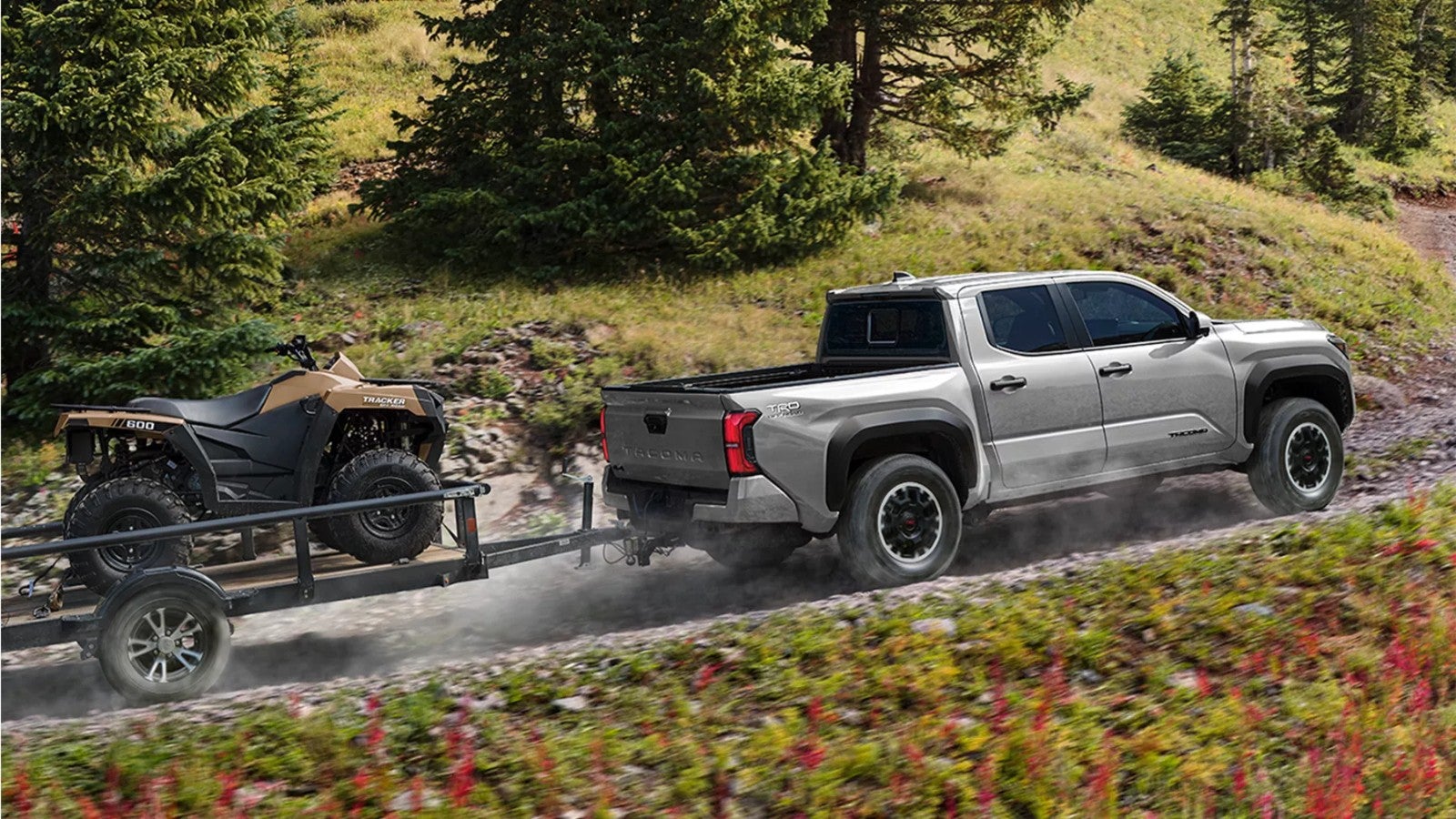
Silver Toyota Tacoma towing an ATV trailer along a scenic mountain trail

Best Value Auto Service in Walla Walla: What Makes Walla Walla Toyota Different

Good value in auto service means more than the lowest number on an estimate. For us it means Toyota-trained technicians, Genuine Toyota Parts and straight answers about your vehicle. If you're looking for the best auto service in Walla Walla, WA, that's the standard we hold ourselves to. You can schedule service online in a few minutes, whether you drive a Toyota or another make. What Makes Walla Walla Toyota the Best Auto Service in Walla Walla, WA We're a local, family-owned dealership. The Lum family purchased it in 2021, and the dealership's family tradition goes back to 1969. You can read more about our local roots and team and how we support the community. Five things set us apart: factory-certified technicians, Toyota-specific diagnostic equipment, complimentary maintenance programs, transparent pricing and customer-first service. Whether you commute in College Place or drive farm roads outside Milton-Freewater, we look after your vehicle for the long haul. We treat it as an ongoing relationship, and a single repair is only part of it. Dealership Service vs. Independent Repair Shops: What You Get for Your Money An independent shop can handle routine work, but dealership service brings something general repair shops can’t easily match: Toyota-specific training, factory diagnostic equipment, Genuine Toyota Parts and a direct line to the manufacturer’s latest technical updates. That combination means fewer return visits and repairs done right the first time. It’s also worth knowing that while you’re free to service your vehicle anywhere, Toyota’s warranty doesn’t cover damage caused by improper maintenance or repairs. Choosing technicians trained specifically on your Toyota is the simplest way to protect both your vehicle and your coverage. Price vs. Long-Term Value A low estimate can look appealing, but it only tells part of the story. The parts, the technician's familiarity with your model and the accuracy of the diagnosis all shape what a repair really delivers. Here’s how service at Walla Walla Toyota compares with a typical independent shop. Factor Walla Walla Toyota Typical independent shop Technician training Toyota T-TEN graduates with Toyota and ASE certifications and ongoing Toyota coursework General automotive training; Toyota-specific expertise varies from shop to shop Parts Genuine Toyota OEM parts, made to your vehicle’s exact specifications Often aftermarket parts chosen for price and broad fit Diagnostic equipment Toyota-specific equipment that reads system data generic scan tools may miss Usually generic scan tools that may not access every Toyota system Repair warranty Genuine parts and dealer-installed repairs backed by Toyota warranty coverage Shop-specific warranties that vary in length and coverage Technical updates Direct access to Toyota technical service bulletins and manufacturer updates May not receive manufacturer bulletins as they’re released Pricing Transparent pricing with zero hidden fees Varies; ask for a detailed written estimate How to Choose a Service Provider in Walla Walla Whoever you choose, a few questions help you compare fairly: Ask about technician certifications and ongoing training. Find out what kind of parts will go on your vehicle. Request a written estimate before work begins. Ask how the repair is warrantied. Make sure someone will explain the findings in plain language. We built our service process around those same points, and we're glad to answer them at the service desk. Factory-Certified Technicians and Specialized Diagnostic Equipment Good service starts with who works on your vehicle and what tools they use. Both matter more as vehicles add hybrid powertrains and advanced driver-assistance systems. Toyota-Trained Technicians Who Know Your Vehicle Our technicians are Toyota T-TEN graduates. That training combines classroom instruction, paid dealership internships and ongoing online coursework as Toyota introduces new technology. They hold Toyota and ASE certifications and have spent thousands of hours learning Toyota vehicles. They work from Toyota-specific maintenance schedules and fluid specifications, and they know the tolerances. Our team also receives Toyota technical service bulletins and manufacturer updates. Advanced Diagnostics That Find the Problem the First Time When your check engine light comes on, a scanner connects to the OBD-II port and reads the trouble codes. A certified technician then interprets those codes, explains the findings and helps develop a service plan. Our Toyota-specific diagnostic equipment can read system data that generic scan tools may miss, which helps us find the issue accurately the first time. Complimentary Maintenance Programs and Ways to Save Each qualifying used vehicle we sell includes complimentary maintenance at 5,000 and 10,000 miles. The 5,000-mile visit includes a tire rotation and multi-point inspection. The 10,000-mile visit adds a full synthetic oil and filter change and fluid adjustments. Factory-trained technicians perform both using Toyota Genuine Parts. Every new Toyota comes with ToyotaCare, a no-cost plan covering normal factory-scheduled maintenance plus 24/7 roadside assistance. Most 2026 and earlier models are covered for 2 years or 25,000 miles, and applicable 2027 models for 1 year or 10,000 miles, and our team can check your eligibility in seconds. Beyond ToyotaCare, Toyota Service Care plans are available to Toyota owners regardless of mileage or age, with service-history tracking, automated reminders and roadside assistance, and our loyalty program rewards you with points on every service visit. We also regularly feature complimentary inspections and service savings on our service and parts specials. Genuine Toyota Parts and Warranty Protection Genuine Toyota parts, from filters and fluids to brake components, are made to fit the exact specifications of your Toyota, and every repair we perform uses them. Genuine parts installed at our dealership are backed by Toyota’s parts warranty, covering both parts and labor, and we use genuine Toyota motor oil on every Toyota oil change. Following your owner’s manual maintenance schedule with genuine parts helps protect your Toyota’s 36-month/36,000-mile New Vehicle Limited Warranty coverage. Transparent Pricing and Customer-First Service Nobody likes surprises at the counter. Our pricing is transparent and competitive, with zero hidden fees, and we’ll even honor valid local competitor coupons on oil changes. Before any work begins, a technician explains what they found and helps you build a service plan, so you understand every recommendation and its cost before you decide. Questions about pricing? Call our service desk at 509-525-1920. As a family-owned team, we depend on repeat customers. We'd rather earn your return visit than rush you out the door. Auto Service Offered at Walla Walla Toyota Our Walla Walla Toyota service center covers routine care and repairs for Toyota owners and drivers of other makes. Routine Maintenance, Brakes and Tires Services include Toyota Factory Scheduled Maintenance, oil changes, tire rotations, battery replacement, fluid replacement, filters and wiper blades. Preventive care includes multi-point inspections, cabin air filter replacement and coolant flushes. Brake repair is a core service. Watch for increased stopping distance, excessive brake noise, abnormal pedal feel, pulling or vibration when braking, and heavy brake dust. We mount, balance and inflate tires to Toyota specifications. Replacement signs include tread at the wear indicators, cuts, bubbles, cracking, uneven wear, tire age and poor ride quality. We recommend inspecting your tires at every regular service visit. Eastern Washington has hot summers and cold winters, so fall is the right time for tire and battery checks before temperature swings arrive. Diagnostics, Repairs and Transmission Service For auto repair in Walla Walla, every visit starts with accurate diagnostics and a clear explanation of what we find. Transmission fluid checks are part of our preventive care, helping catch issues early, before they turn into costly repairs. Book now if you notice any of these signs: Brake noise. A check engine light. Uneven tire wear. Rough shifting. What to Expect When You Book Your Service Appointment Our online scheduler lets you sign in by mobile number or email, or continue as a guest. Then the visit follows a simple path: Book online and drop off your vehicle at 606 N Wilbur Ave. We inspect and diagnose. A technician reviews findings and the service plan with you. We complete the work and explain what was done. We’re open Monday through Friday from 7:30 a.m. to 5:30 p.m., and walk-ins are always welcome, though scheduling online guarantees the fastest turnaround. While we work, relax in our customer lounge with fresh-brewed coffee, a latte and cappuccino machine, fresh-baked cookies, TV, comfortable seating and free Wi-Fi. Schedule Your Service at Walla Walla Toyota Today The best auto service in Walla Walla, WA comes down to getting it right the first time, with factory-trained technicians, Toyota-specific diagnostics, genuine Toyota parts and straight answers at fair, transparent prices. That’s the dealership difference, and it’s available whether you drive a Toyota or any other make. Schedule your service appointment online in just a few minutes, or call our service desk at 509-525-1920. We proudly serve drivers across Walla Walla, College Place and Milton-Freewater, and we look forward to earning your trust.

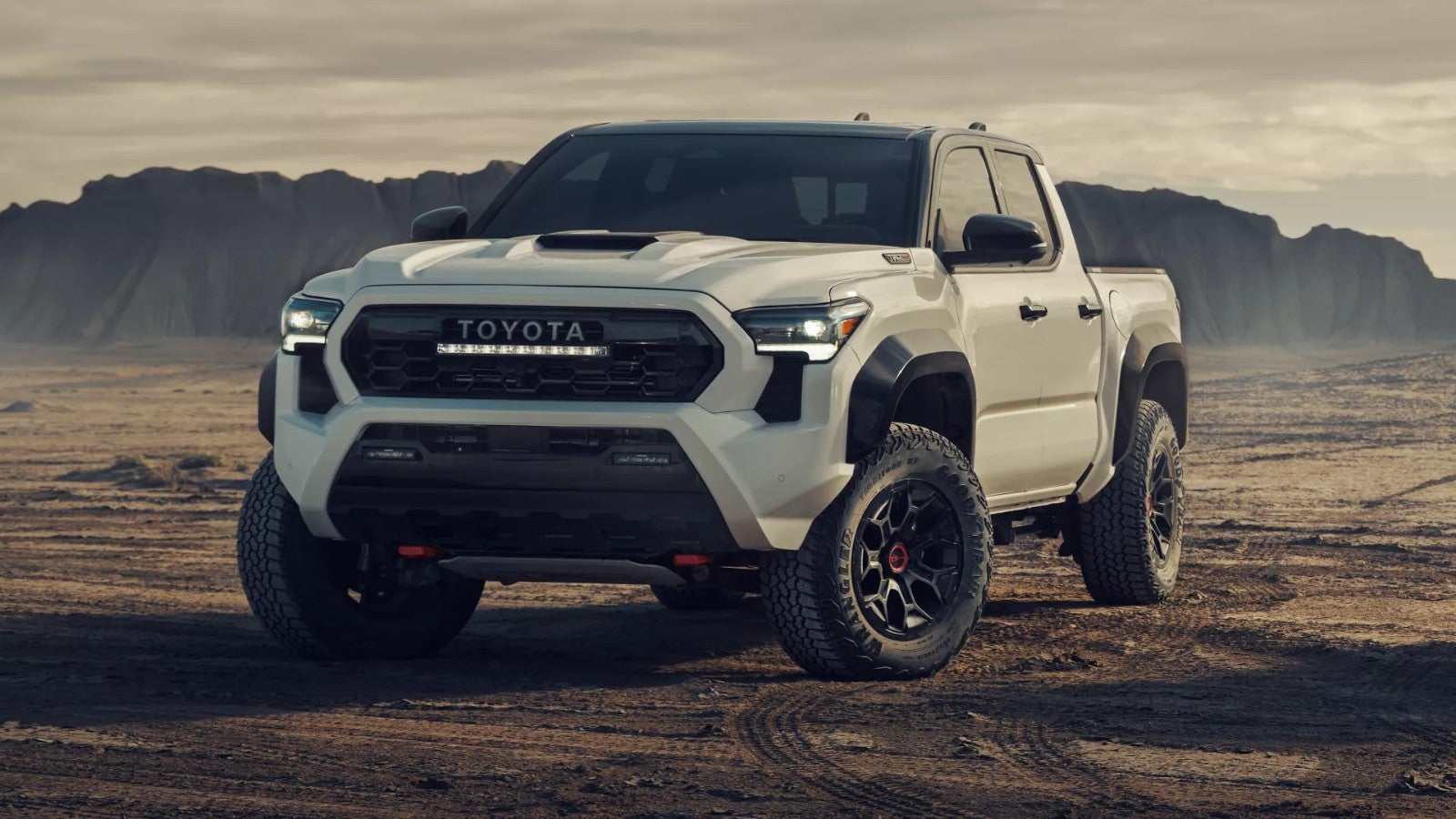
White Toyota Tacoma TRD Pro parked on rugged desert terrain

OEM Toyota Parts vs. Aftermarket Parts: What Walla Walla Drivers Should Know

A brake pad that fits but behaves differently, or a sensor that bolts on but never talks to the engine computer, can turn a simple repair into a second shop visit. That's the risk when you weigh Toyota vs aftermarket parts. What matters is how well the part fits, how it was tested, and who backs it up, more than whatever is printed on the box. At Walla Walla Toyota, we want you to choose with confidence. Visit our parts department to talk with a specialist before you buy. Toyota vs Aftermarket Parts: The Core Differences The main differences come down to specification control, compatibility, consistency and warranty support. Toyota genuine parts are built to one standard, Toyota’s, and are designed for your exact vehicle, while aftermarket quality can swing widely from one maker, and even one part, to the next. When reliability matters, that consistency is the difference between a repair you do once and a repair you do twice. What Toyota Genuine Parts Are and Who Makes Them Many drivers ask who makes OEM Toyota parts. Toyota genuine parts are replacement components made to Toyota’s specifications and supplied through Toyota’s authorized channels, whether Toyota builds a part itself or sources it from an approved supplier held to the same engineering and quality standards. Toyota genuine parts are designed to fit the exact specifications of your Toyota. A supplier that helped build your vehicle at the factory does not necessarily sell identical products under its own label. What Aftermarket Parts Are and Why Quality Varies An aftermarket part is one made by a company that did not make the vehicle. Some of these manufacturers specialize in particular vehicle applications. Others design one component for many different vehicles. That one-size-fits-many approach is why aftermarket quality varies so much. Some parts perform well, but others may fit loosely, wear unevenly or fail to communicate with your vehicle’s systems, and it can be hard to tell which is which before installation. With Toyota genuine parts, you don’t have to research the manufacturer or gamble on fit: every part is engineered for your specific Toyota. Side-by-Side Comparison: Fitment, Durability, Standards, and Warranty Fitment is more than physical size. Mounting points, connectors, tolerances, and electronic communication all have to match your vehicle. The table below summarizes how Toyota genuine parts and aftermarket parts compare on the criteria most drivers care about. Criteria Genuine Toyota OEM Aftermarket Fitment Designed to the exact specifications of your Toyota, including mounting points, connectors and electronics Often designed to fit multiple vehicles; compatibility must be confirmed part by part Materials and testing Made to Toyota’s material and testing standards Standards set by each manufacturer, from rigorous to minimal Long-term reliability Engineered to match the performance and service life of your original components Can range from comparable to significantly shorter Warranty coverage Toyota Service Part Warranty: 12 months regardless of mileage, or the remainder of the New Vehicle Limited Warranty Set by each manufacturer; may exclude labor Consistency One manufacturer standard for every part Ranges from excellent to poor Resale value Documented genuine-part repairs support buyer confidence Non-genuine repairs may raise questions for buyers or inspectors Precision Fitment and Factory Standards Electronic compatibility deserves special attention. A component can fit physically and still fail to communicate properly with the vehicle's systems. On vehicles equipped with ADAS, Toyota genuine parts matter for performance, fit, and safety. Even a Toyota genuine part must match your configuration. An authentic part intended for a different trim or model year is not a suitable substitute. The same logic applies to bumpers. Mounting points and fit matter, and on vehicles with ADAS, ask a specialist what the repair involves. Material Durability and Long-Term Reliability How long a part lasts comes down to material selection, manufacturing consistency and testing, and that’s exactly where Toyota genuine parts are held to a single, rigorous standard. Every genuine component is engineered to perform alongside the original parts around it, so it’s built to deliver the same long-term reliability your Toyota was designed for. Toyota genuine radiators and condensers are a good example: they’re designed for precise fit, engineered and tested by Toyota, and available for almost all Toyotas exclusively through Toyota dealers like ours. Warranty Protection on Toyota Genuine Parts Compare warranty scope as well as length. Look at parts and labor, then exclusions, claim steps, and who pays for related damage. Under the Toyota Service Part Warranty, a part replaced under warranty at an authorized Toyota dealership is covered for 12 months regardless of mileage from installation, or for the remainder of any applicable New Vehicle Limited Warranty, whichever is greater, except batteries. A parts warranty also doesn't promise that a wear item will never need replacing. It addresses defects in materials or workmanship. For battery needs, TrueStart® is the only warranty replacement battery approved for a Toyota. For other coverage details, check your warranty booklet or contact us. How Parts Choice Affects Your Toyota Warranty Many drivers worry that one aftermarket part will cancel their coverage. The reality is more complicated, and it helps to separate the vehicle warranty from the part's own warranty. What the Law Says About Aftermarket Parts and Coverage Under the federal Magnuson-Moss Warranty Act, a dealer or manufacturer generally cannot void your warranty simply because you used an aftermarket part or had work done elsewhere. The FTC enforces this law. A warranty that promises free repairs or parts can specify the facility or parts used, so read your booklet. Installing a third-party part, even when it was allowed, doesn't mean your Toyota warranty will cover that part. Treat this as general guidance, since it isn't legal advice. Individual outcomes depend on your terms and the facts. When an Aftermarket Part Can Lead to a Denied Claim A defective aftermarket part, or incorrect installation, can damage a component that would otherwise be covered. In that case, coverage can be denied for that damage if the dealer or manufacturer proves the part or installation caused it. Unrelated defects generally remain under the original warranty. Picture a poorly fitting part that loosens and damages the component beside it. The repair for that damage may not be covered. Toyota genuine parts don't make every repair eligible either, since maintenance, exclusions, and the cause of failure still matter. Keep your invoices and part numbers along with maintenance records. They help show your vehicle was properly maintained. If a claim is denied, ask for a clear explanation. Our team can help you understand your options. Contact us with questions about your situation. Which Toyota Parts Should Always Be OEM For high-consequence repairs, Toyota genuine parts should be your default. These tightly integrated systems affect your safety, and the wrong specification can damage more than the part you replace, turning a single repair into a chain of them. Brakes, Engine, and Drivetrain Components Brakes are safety-related, so we recommend a professional inspection whenever you are in doubt. Our Toyota genuine parts catalog includes brake pads and shoes, brake drums and rotors, and brake calipers, along with transmission parts, oil filters, and engine air filters. Brakes: Brake pads affect stopping performance, and heat performance matters as much as fit. Engine: Parts must match surrounding components in tolerances, sealing, and operating loads. Drivetrain: Transmission parts work under heavy loads, so compatibility and installation quality matter. Consider a driver on a long highway commute who installs bargain brake pads. If they wear unevenly or perform differently, the result may be a return visit, and possibly damage to the rotors. A sensor swap works the same way. A sensor that does not communicate correctly with the vehicle's computers can mean more diagnosis and repeat labor. Electronics, Suspension, and Steering Electronic parts must match your vehicle's electrical and communication needs, and some need programming or calibration. Suspension and steering affect handling and alignment, and they influence tire wear too. We treat both as safety-related and encourage professional inspection when something feels off. Electronics: Sensors and modules must communicate correctly with the vehicle's computers. Suspension: Replacement parts should preserve the vehicle's intended handling. Steering: Precise response matters for safe driving on rural roads and highways around Walla Walla. Not sure what your repair needs? Our team can help you find Toyota genuine parts that match your vehicle. Shopping Aftermarket? Ask These Questions First If you’re considering an aftermarket part, even for a simple item like floor liners or wiper blades, ask these questions before you buy. And remember that Toyota genuine floor liners, wiper blades and accessories are designed for an exact fit too: Does the seller guarantee fitment for your exact vehicle? What testing standards does the part meet? What does the warranty cover, including labor? What is the return policy if the part doesn’t fit? Real Cost Comparison: Upfront Savings vs. Long-Term Value Many drivers wonder whether Toyota parts are expensive, but the sticker price is only part of the picture. Compare the total installed cost, including diagnosis, labor, setup and related materials, plus what happens if the part doesn’t last. A cheaper part that needs replacing sooner, or that damages a nearby component, can quickly cost more than doing it right the first time with a part backed by Toyota’s warranty. Repeat Repairs, Labor Costs, and Resale Value for Walla Walla Drivers A part that fails early can mean another round of diagnosis and labor. That matters most when the component is hard to reach. A replacement warranty may also supply a new part at no charge while leaving installation costs unpaid. Availability counts too, since a delayed part extends downtime for Walla Walla drivers who depend on their vehicles for work and daily errands. When it’s time to sell or trade in, a service history documenting Toyota genuine parts installed by factory-trained technicians shows buyers your vehicle was maintained to Toyota’s standards, which supports both buyer confidence and resale value. Our practical advice is to request comparable written estimates that show the differences in parts, labor, warranty protection and included work, and to weigh how long you plan to keep your Toyota. Will a Toyota Dealership Install Aftermarket Parts? Drivers often ask whether a Toyota dealership will install aftermarket parts they bring in. Customer-supplied parts raise real questions about authenticity, condition and who’s responsible if the part fails, which is why we recommend letting our parts specialists source the right Toyota genuine part for you, backed by warranty from day one. At our service center, we use Toyota genuine parts and diagnostic tools, and our technicians are factory-trained and certified. If you are considering a different part, contact us about your situation before you buy. Ask whether the work will be approved, and clarify separately who covers the workmanship and who covers the part. Order Toyota Genuine Parts from Walla Walla Toyota A quick checklist for your decision: Use Toyota genuine parts for brakes, steering, suspension, engine, drivetrain, and electronics. Ask about Toyota genuine accessories and wiper blades for an exact fit. Keep every invoice and maintenance record. Ask for written estimates that compare parts, labor, and warranty. Let us verify the right part by VIN. Use Your VIN to Confirm the Correct Part Model year and trim affect fitment, and so do production changes, so year and model alone may not identify the right part. A VIN removes the guesswork. You can find it on the dashboard near the windshield, on the driver door jamb, and on your registration or insurance card. Our online parts-order form asks for your year, make, model, and trim, and it has a VIN field. After you submit it, a customer service specialist contacts you to confirm the part. You can also find Toyota genuine parts through our site to get started. Contact Our Parts Specialists for Advice Our professionally trained service technicians can install the parts we sell. Tell us whether you plan to install it yourself, use another shop, or book with us, because labor and warranty details can differ. You can also schedule through our service center. The right part, installed right, is the surest way to keep your Toyota reliable for years and protect its value when it’s time to sell. Order Toyota genuine parts online through our parts department, and a specialist will confirm the exact match for your VIN, or contact our parts specialists for advice on your repair. Walla Walla Toyota is family-owned, with the Lum family at the helm since 2021 and a dealership tradition dating back to 1969. Visit our parts department at 606 N Wilbur Ave, Monday through Friday from 8 a.m. to 5:30 p.m., or call 509-525-1920.