

Photo by Akshay Mehra from Pexels
A snowy morning on Wilbur Avenue looks a lot different than a snowy morning climbing toward the Blue Mountains, and what works for one doesn't necessarily work for the other. Drivers around here ask us constantly whether AWD alone is enough, or whether winter tires still matter once you've got all four wheels powered. Your drivetrain gets you moving, and your tires are what keep you in control once you're moving. If you want a professional to walk through your specific setup, our team is ready to help. You can schedule a service check or reach out directly whenever it's convenient.
Walla Walla Winters: What Your Vehicle Is Up Against
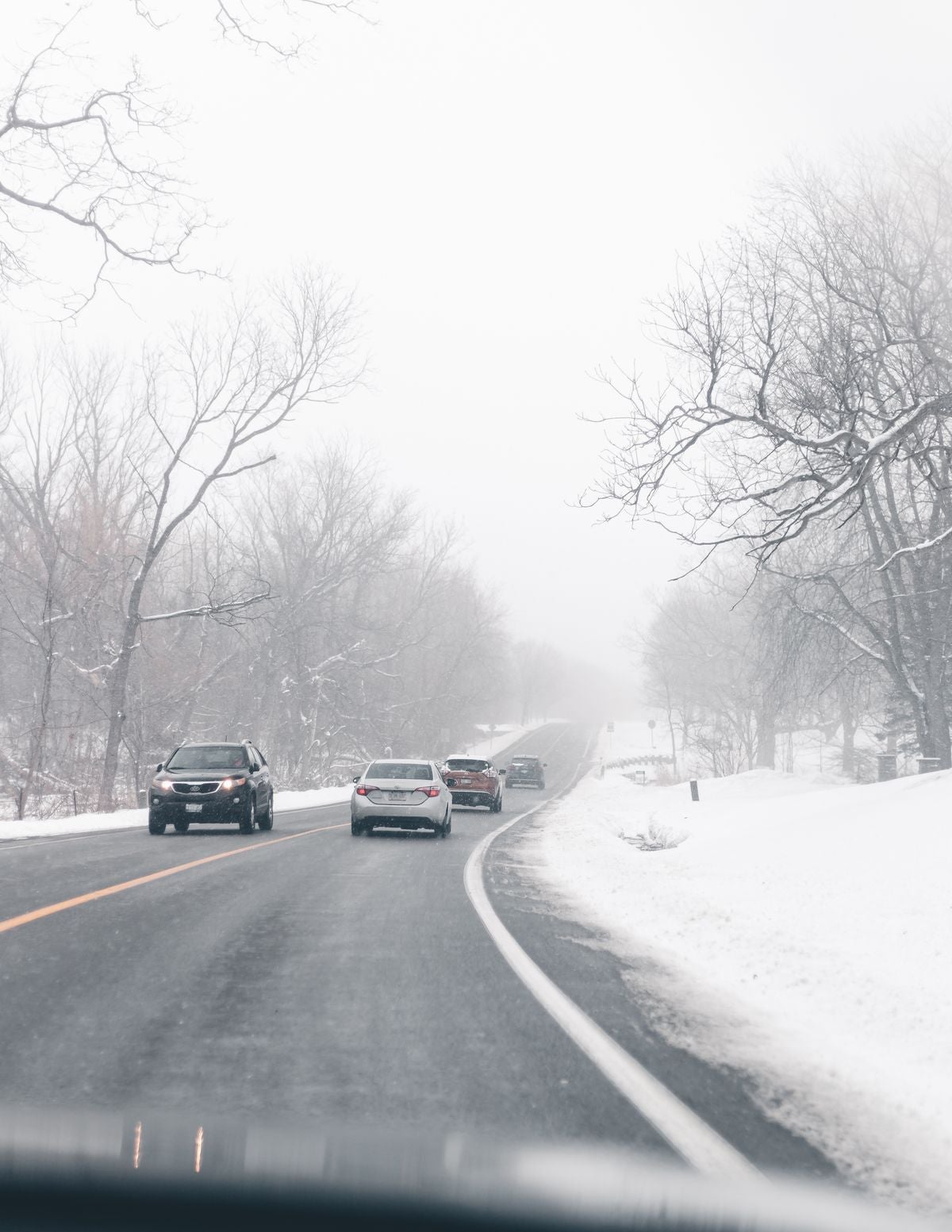
Walla Walla doesn't get buried in snow the way some regions do. The valley averages around 9 inches per year, well under the national average of roughly 28 inches, with most of it landing between December and February. Snow events in town are fairly rare, typically just one or two per winter. But average lows near 29°F, with January overnights dipping to around 28.8°F, mean any snow or slush on the ground can turn to ice fast. Those infrequent but sharp cold snaps are exactly why vehicle readiness still matters in a mild-snow region like ours.
Winter Tires vs. AWD: The Core Differences
AWD and winter tires solve two different problems. AWD runs continuously in the background, sending power to whichever wheels have the most grip without any input from the driver, and it works the same whether the pavement is dry, wet, or covered in snow. Winter tires are a different animal entirely: built with a rubber compound that stays soft in the cold and a tread pattern packed with sipes, tiny slits that bite into snow and ice like little traction edges. One system gets you moving. The other one stops you and turns you. Think of them as complements rather than competitors.
How AWD Improves Traction and Acceleration
Ask whether AWD is any good on ice or snow, and the honest answer is yes, in one specific way: getting the vehicle moving from a stop or holding momentum when wheels start to slip. It does this by shifting power away from a spinning wheel toward whichever one has better grip. Compare AWD to FWD in the snow and you'll typically see less wheel spin off the line with AWD. That's where the benefit ends, though. AWD doesn't add braking force, and it doesn't help you turn a corner. Both of those jobs belong entirely to the tires.
How Winter Tires Improve Grip, Braking, and Control
Winter tires cover the exact ground AWD can't: stopping and cornering. The rubber compound is formulated to stay pliable instead of stiffening up in freezing temperatures, so the tire keeps real contact with the road. Pair that with deeper grooves that channel away snow and slush, and you get meaningfully shorter stopping distances and steadier handling through turns. Look for the mountain-snowflake symbol, known as 3PMSF, on the sidewall; it means the tire has met a recognized performance standard for winter traction, which is a different (and higher) bar than the M+S (Mud and Snow) marking found on many all-season tires.
Head-to-Head Comparison: Stopping Distance, Cornering, and Snow Acceleration
Since this question comes up so often, here's how each setup handles the three tasks that matter most in winter: stopping, cornering, and getting moving in deep snow.
| Setup | Traction | Braking | Sipe Density / Rubber Type | Ideal Use Case |
|---|---|---|---|---|
| All-Season Tires (any drivetrain) | Moderate | Longest stopping distances in cold | Fewer sipes, stiffens in cold | Mild climates, rare snow |
| All-Weather Tires (any drivetrain) | Good | Shorter than all-season, longer than winter | Moderate sipes, 3PMSF rated | Light, infrequent snow |
| Winter Tires (FWD) | Strong braking/cornering | Shortest among non-studded options | Dense sipes, soft compound | Valley streets, occasional snow/ice |
| Winter Tires + AWD | Strong across the board | Shortest, plus confident starts | Dense sipes, soft compound | Blue Mountains routes, frequent snow |
Stopping Distance on Ice
Stopping distance on ice comes down almost entirely to tire compound, not drivetrain. WSDOT-reviewed testing found studded tires stopped 15% shorter than Blizzak winter tires, which themselves stopped 8% shorter than all-season tires. Separately, Tire Rack testing found dedicated winter tires stopped more than 30 feet shorter than all-weather tires on packed snow. That testing focuses on tire performance rather than the vehicle's drivetrain configuration, which tells you exactly where braking performance comes from: the tires meeting the road, not the engine sending power to it.
Cornering Stability in Slush and Snow
Cornering in slush and snow relies on the same sipes and soft compound that help with braking. A tire that bites into slush keeps the vehicle tracking through a turn instead of pushing wide. AWD can help balance power during a turn, but if the tires are already slipping, that balance doesn't do much for you.
Acceleration in Deep Snow
Here's the one category where AWD paired with winter tires clearly pulls ahead. Consumer Reports tested this directly using Toyota Camrys and found cars fitted with winter tires averaged around 63.5 feet to accelerate from 5 to 20 mph on packed snow, compared to about 85.6 feet for all-season tires. That test measured tire type, not drivetrain, and it shows how much tire choice affects acceleration before AWD ever enters the picture. Add AWD to winter tires and you get confident acceleration on top of the shorter stopping distances the tires already deliver.
Tread Compound Performance in Sub-Zero Temperatures
All-season rubber tends to stiffen as temperatures drop, and that stiffness costs grip right when you need it most. Winter tire compounds stay flexible even in sub-zero conditions, which keeps the sipes doing their job of gripping and channeling snow. Michelin recommends switching to winter tires once temperatures consistently drop into the mid-40s°F or below, since the softer winter compound wears faster on warm, dry pavement.
Do You Need Winter Tires If You Already Have AWD?
This is probably the single question we hear most, phrased a dozen different ways. The answer stays consistent: yes, in most cases. AWD helps you get moving, but braking and cornering, the moments that matter most on icy Walla Walla roads, come down to tires. A front-wheel-drive car with a full set of winter tires will often out-brake and out-corner an AWD vehicle riding on all-season tires. AWD without winter tires can even create a false sense of confidence, since the vehicle accelerates smoothly right up until the driver needs to stop or turn quickly.
Best Setup for Walla Walla Roads: Valley Streets vs. Blue Mountains Routes
The right setup really comes down to where you're driving. If your routine is mostly flat, plowed valley streets in Walla Walla, College Place, or Milton Freewater, a good set of winter tires on a FWD or AWD vehicle covers most conditions, since valley snow events are infrequent and typically short-lived. If your driving regularly takes you up toward the Blue Mountains, where seasonal snowfall runs between 20 and 40 inches and snow can linger anywhere from a few days to a couple of months between December and March, pairing AWD or 4WD with a dedicated set of winter tires makes a real difference.
Two Washington rules are worth knowing before you head up. When "chains required" signs go up, AWD and 4WD vehicles under 10,000 pounds don't have to install them, but every driver still has to carry chains, because the requirement can escalate to "chains required on all vehicles" and that one has no exemptions. And studded tires are legal statewide only from November 1 through March 31, with no personal exceptions and no out-of-state waivers. Worth noting studded tires don't satisfy a chain requirement either, so if signs call for chains you install them over the studs.
Toyota AWD Models Built for Walla Walla Winters
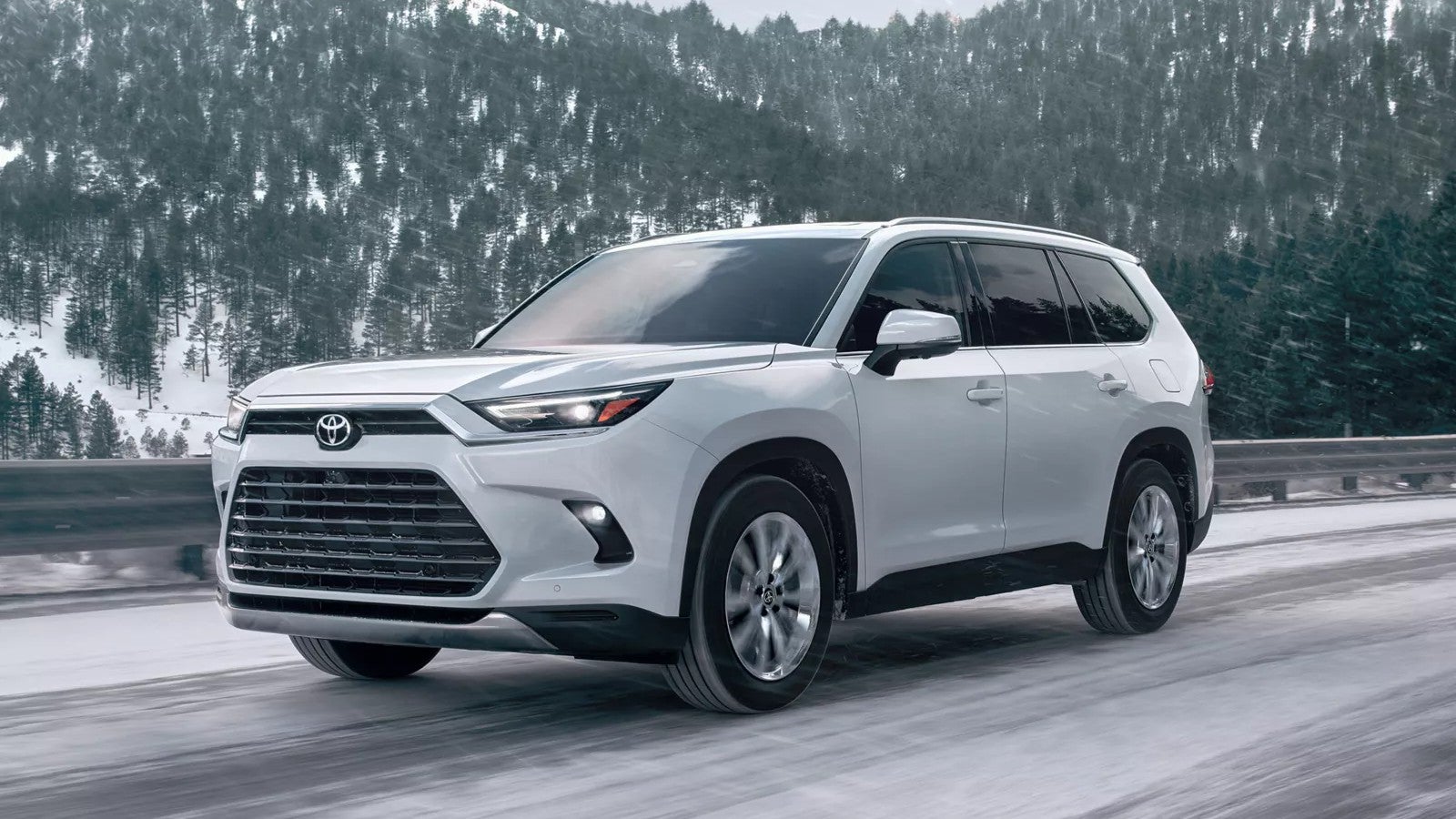
Toyota offers several AWD systems worth knowing about before you decide what fits your winter driving. Electronic On-Demand AWD comes standard on the Corolla Cross Hybrid and RAV4 Plug-in Hybrid, and it's available on the Highlander and Grand Highlander. Dynamic Torque Vectoring AWD (TV-AWD) is standard on the RAV4 and helps distribute power side-to-side for better handling. The Camry and Corolla both offer available AWD for added traction, while the Prius and Corolla Hybrid offer available AWD focused more on efficiency than off-road capability.
RAV4 AWD and Other Toyota Options
The RAV4 remains one of the most flexible options for Walla Walla winters, since availability varies by trim: LE and XLE trims can be configured with either FWD or AWD, while Adventure and TRD Off-Road trims add TV-AWD along with a Multi-Terrain Select system for extra control in variable conditions. On the sedan side, the redesigned Camry, now hybrid-only, offers available Electronic On-Demand AWD across every trim, with the AWD LE trim reaching around 232 horsepower and up to 50 mpg combined based on current dealer listings. Whichever model fits your driving, pairing it with a proper set of winter tires is what completes the setup. Feel free to browse Toyota AWD models in stock to see what's currently available.
Certified Winter Tire Service at Walla Walla Toyota
Our Service Center is staffed with factory-trained, certified technicians who handle tire rotations, brake repairs, battery replacement, and full Toyota Factory Scheduled Maintenance. When it comes to winter readiness, we fit exact-replacement tires at competitive pricing, and tires purchased through us come with 24-month road hazard coverage, including 100% coverage for the first two years.
A routine oil change visit also includes a tire rotation, multi-point inspection, fluid top-off, battery check, and alignment check, which covers most of a pre-winter checklist: tread depth, PSI as temperatures drop, and the small issues that turn into bigger ones on an icy road if nobody catches them early. It's also worth checking our current service and parts specials before booking, since seasonal offers can help with the cost of getting winter-ready.
Schedule Your Winter Tire Inspection or AWD Test Drive Today
Whether you're weighing winter tires vs. AWD for a daily valley commute or planning regular trips up toward the Blue Mountains, our certified service technicians can walk through your specific vehicle and driving pattern to recommend the right setup.
Talk to Our Service Team
If your current vehicle just needs winter tires, schedule a winter-readiness check and we'll go through tread, pressure, and what fits your driving. If you're thinking a different setup would serve you better, book a test drive in a RAV4 or Camry AWD and try it yourself. Either way, let's get you ready for whatever this Walla Walla winter brings.